-
Welcome to Zhejiang Mingtehan Electronics Technology Co., Ltd.
13566043962

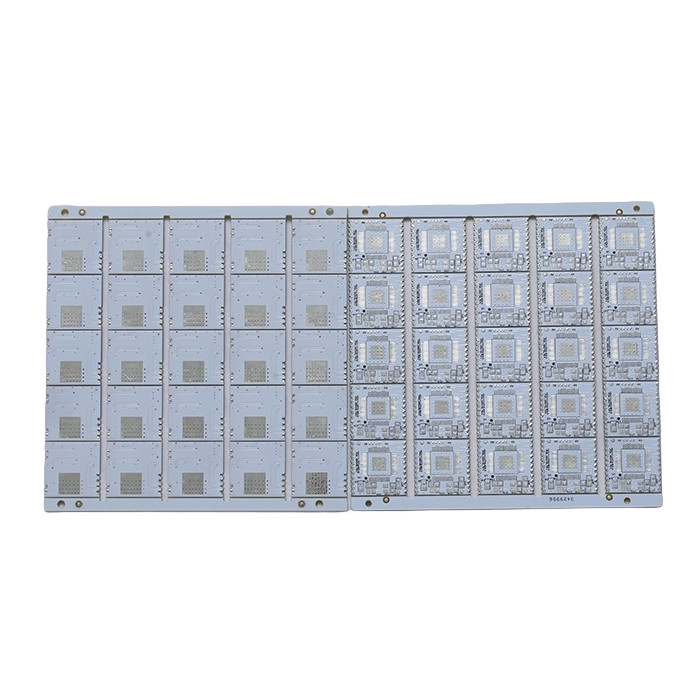
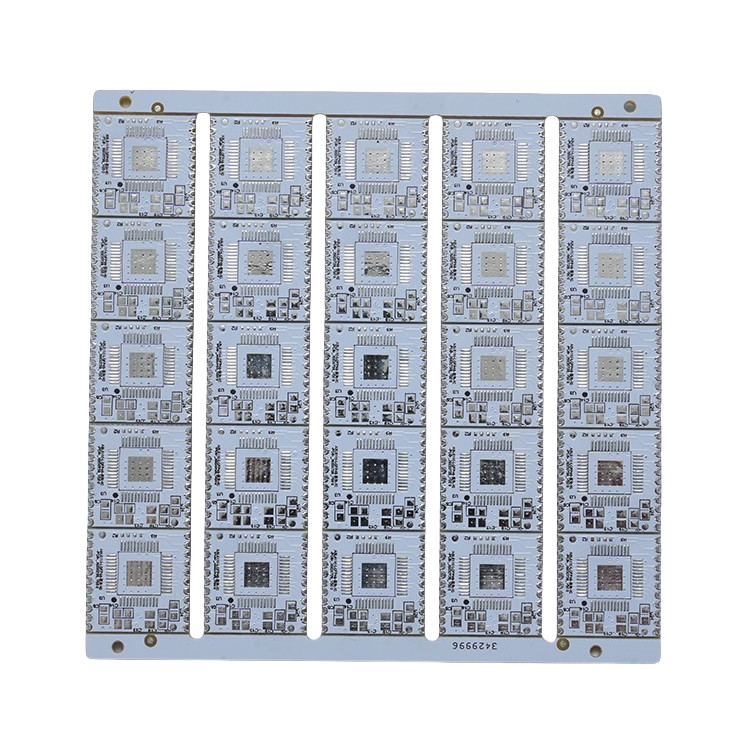
Basic Parameters
Layers: Multi-layer design, typically 4 layers or more, up to 20 layers.
Substrate Material: Aluminum alloys such as 6061, 5052.
Board Thickness: Common thicknesses include 1.0mm, 1.2mm, 1.6mm.
Copper Thickness: Ranges from 1oz to 3oz.
Minimum Line Width/Spacing: 0.3mm/0.3mm.
Minimum Via Diameter: 0.5mm.
Insulation Layer: Low thermal resistance dielectric material.
Features
High Thermal Conductivity: Efficient heat dissipation through the aluminum substrate.
High Mechanical Strength: Provides excellent mechanical stability, suitable for high-vibration environments.
Lightweight Design: Lighter compared to traditional multi-layer PCBs.
Complex Circuit Design: Supports multi-layer routing, ideal for high-density and complex circuits.
Advantages
Superior Thermal Performance: Significantly better than traditional FR-4 materials, reducing thermal stress.
Extended Lifespan: Effective heat dissipation reduces component overheating and extends device life.
High Reliability: Maintains stable performance in harsh environments (e.g., high temperature, vibration).
Design Flexibility: Supports complex circuit designs while maintaining high reliability.
Cost-Effective: Although the initial cost is higher, overall costs are lower by reducing the need for heat sinks and other hardware.
Applications
LED Lighting: Used in high-power LED lighting, such as streetlights and indoor lighting.
Automotive Electronics: Suitable for automotive control systems and LED headlights.
Industrial Control: Used in industrial automation equipment and sensors.
Communication Equipment: Such as heat dissipation modules in 5G base stations.
Switching Power Supplies: Multi-layer aluminum PCBs can be used for printed coil transformers in switching power supplies, reducing line current density.
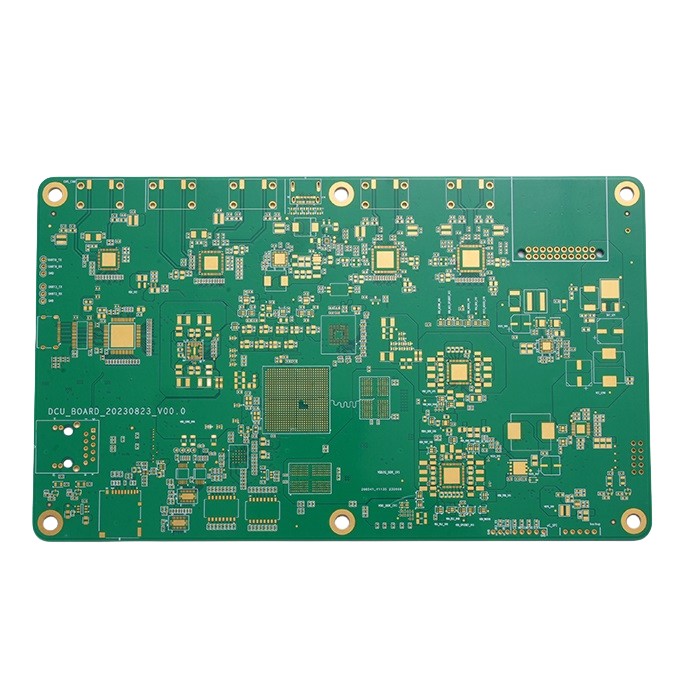
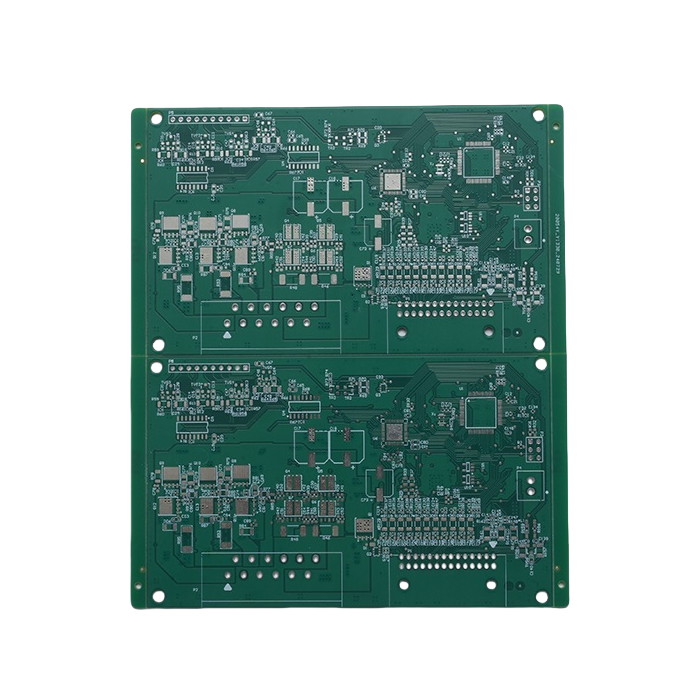
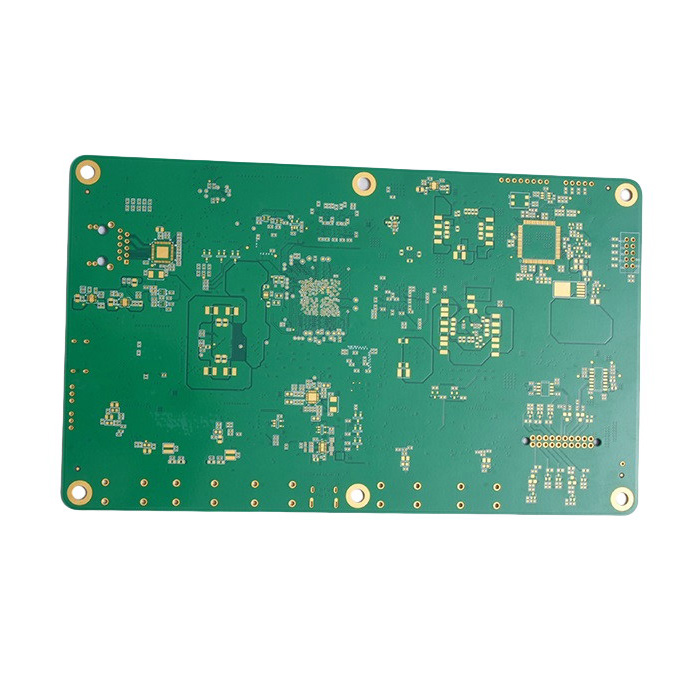
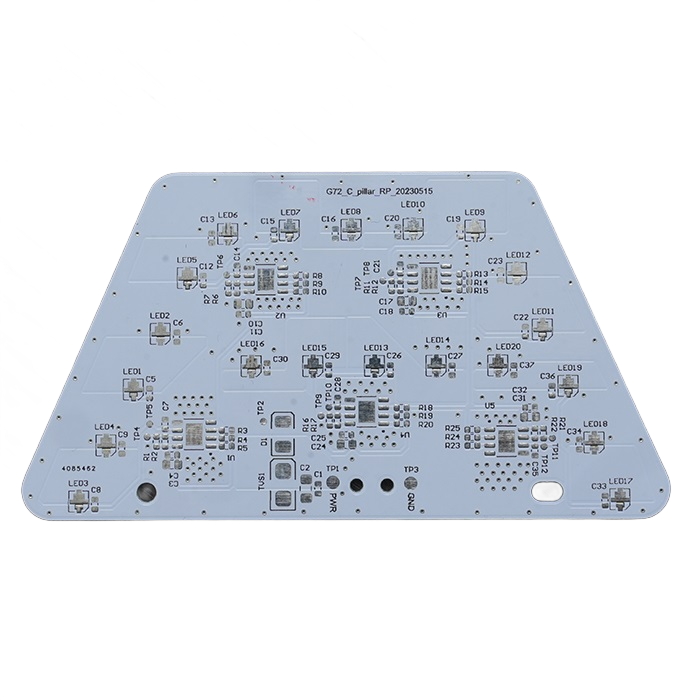
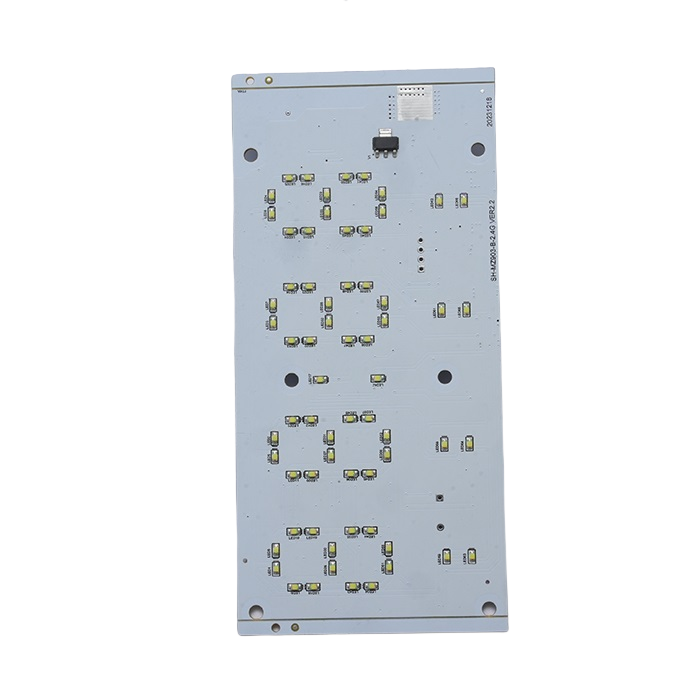
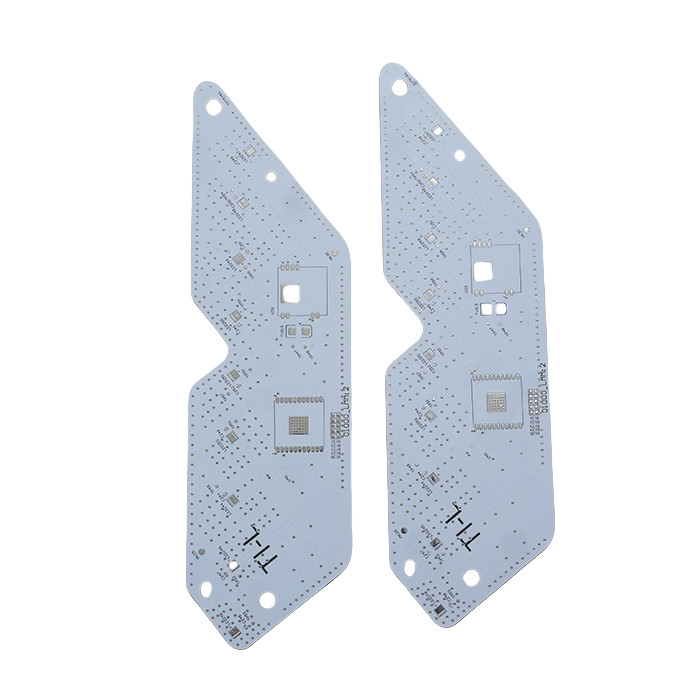
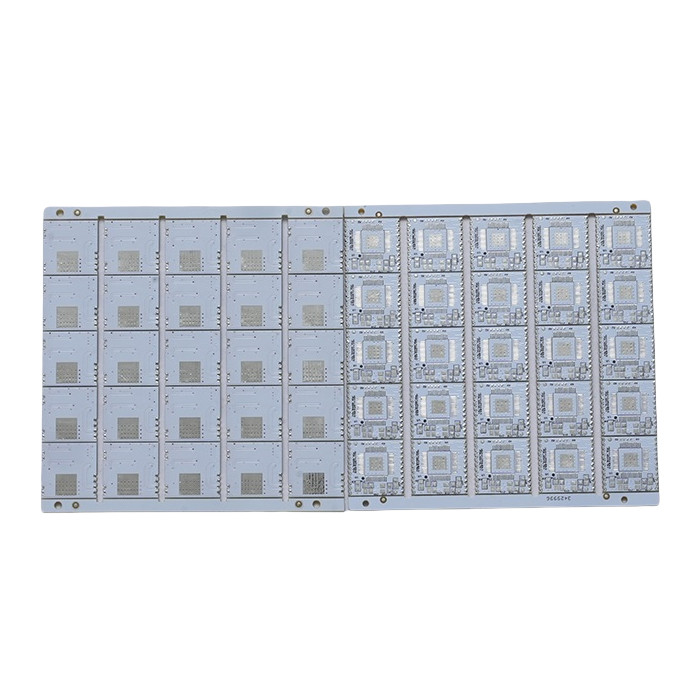
Multi-layer aluminum PCBs are ideal for applications in LED lighting, automotive electronics, industrial control, and communication equipment due to their excellent thermal conductivity, high mechanical strength, and lightweight design. They extend the lifespan of electronic components and support complex circuit designs, making them an essential solution in modern electronics manufacturing.
Product Functionality:
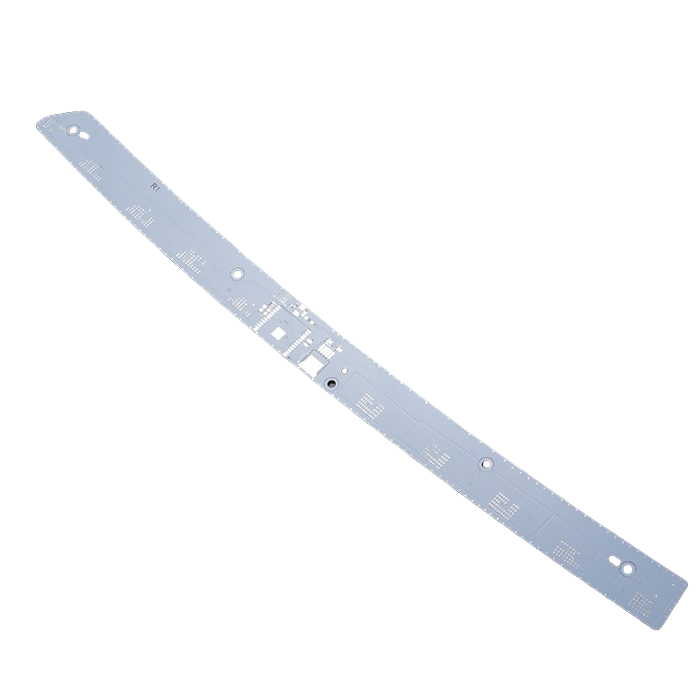
Aluminum PCB (Aluminum Clad PCB) is a metal-based copper-clad laminate known for its excellent thermal conductivity, mechanical strength, and electrical insulation properties. It is widely used in high-power LED lighting, power modules, automotive electronics, industrial control, and communication equipment, particularly in applications requiring efficient heat dissipation. By integrating the circuit layer, insulating layer, and aluminum base layer, aluminum PCBs effectively conduct heat, ensuring the stability and longevity of electronic components.
Product Advantages:
Superior Thermal Performance: Aluminum PCBs efficiently dissipate heat, reducing operating temperatures and enhancing product reliability and lifespan.
High Mechanical Strength: Aluminum PCBs offer excellent mechanical strength, making them suitable for high-vibration and high-impact environments.
Electrical Insulation: The insulation layer provides reliable electrical insulation, ensuring safe and stable circuit operation.
Lightweight Design: Compared to traditional FR4 boards, aluminum PCBs are lighter, making them ideal for weight-sensitive applications.
Typical Applications:
LED Lighting: High-power LED lamps, LED displays, backlight modules, etc.
Power Modules: Switching power supplies, DC-DC converters, inverters, etc.
Automotive Electronics: Headlight controllers, power management systems, motor drives, etc.
Industrial Control: Frequency converters, servo drives, PLC controllers, etc.
Communication Equipment: 5G base stations, RF modules, fiber optic communication devices, etc.