-
Welcome to Zhejiang Mingtehan Electronics Technology Co., Ltd.
13566043962

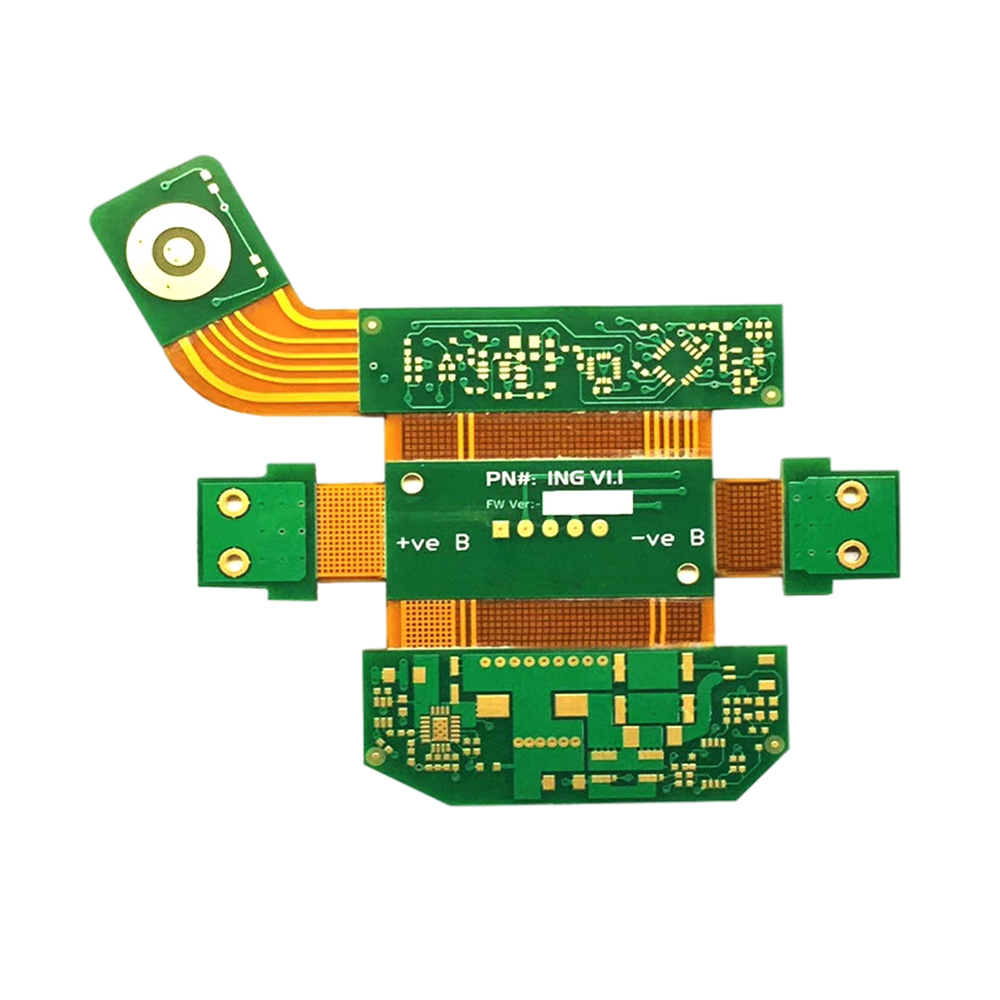
Basic Parameters
Layers: Typically 4 layers or more, up to 10 layers.
Substrate Material: Rigid sections use FR-4, while flexible sections use polyimide (PI).
Board Thickness: Overall thickness ranges from 1.0mm to 3.0mm.
Copper Thickness: 1oz to 3oz.
Minimum Line Width/Spacing: 15μm/15μm.
Via Types: Microvias (down to 50μm diameter) and blind/buried vias.
Features
Combination of Rigidity and Flexibility: Rigid sections provide stable support, while flexible sections enable bending and folding.
High-Density Routing: Supports finer lines and smaller vias, with line density up to 200 traces/cm².
Optimized Signal Integrity: Enhanced through microvias and thin dielectric layers, supporting high-speed signal transmission.
Lightweight Design: Thin flexible circuits and microvia technology significantly reduce weight.
Advantages
Miniaturization and High Performance: Integrates more functionality into a smaller footprint, ideal for portable devices.
Enhanced Reliability: Flexible materials withstand vibration, thermal cycling, and bending stresses.
High Signal Integrity: Supports high-frequency signal transmission, reducing signal reflection and crosstalk.
Design Flexibility: Supports complex 3D designs, adapting to various shapes and space requirements.
Cost-Effectiveness: Reduces overall system cost by eliminating connectors and simplifying assembly.
Applications
Consumer Electronics: Smartphones, tablets, wearable devices (e.g., smartwatches, fitness trackers).
Medical Devices: Implantable and wearable medical devices, such as pacemakers, health monitoring equipment.
Automotive Electronics: Automotive camera modules, in-vehicle display systems, sensor assemblies.
Aerospace: Drones, satellite communication devices, requiring high reliability and lightweight.
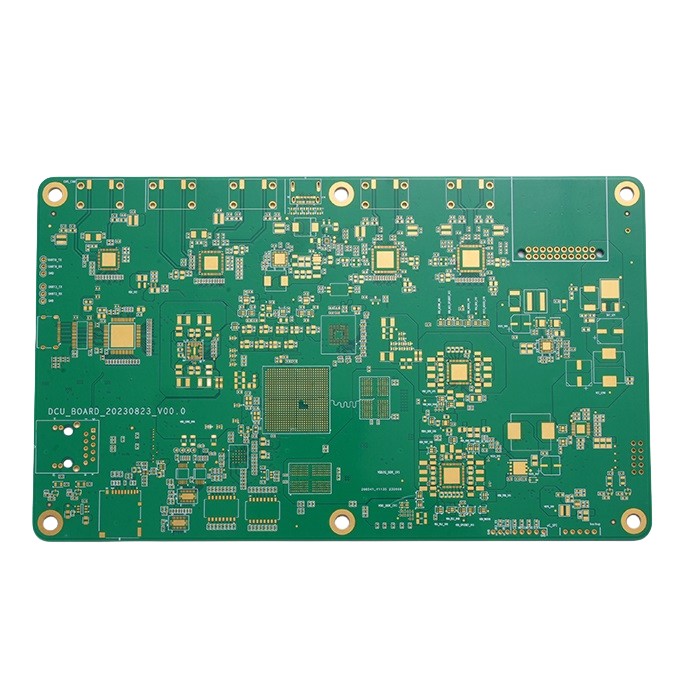
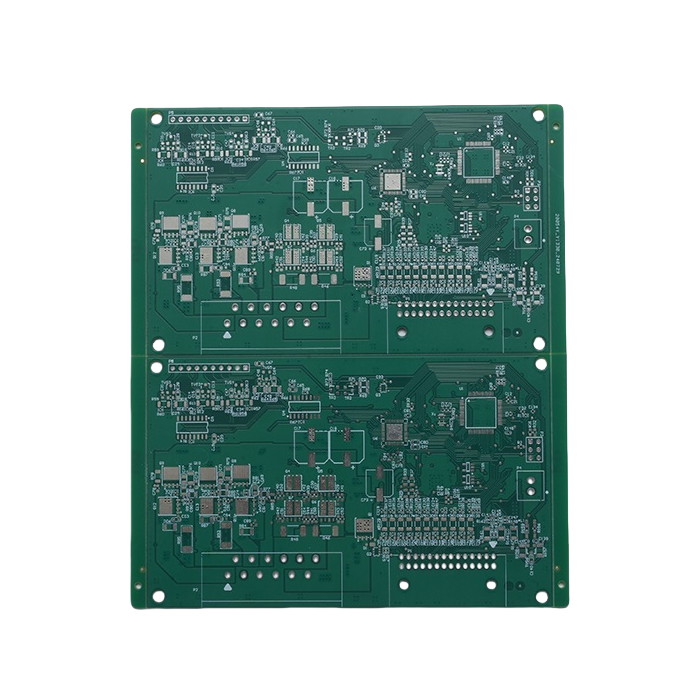
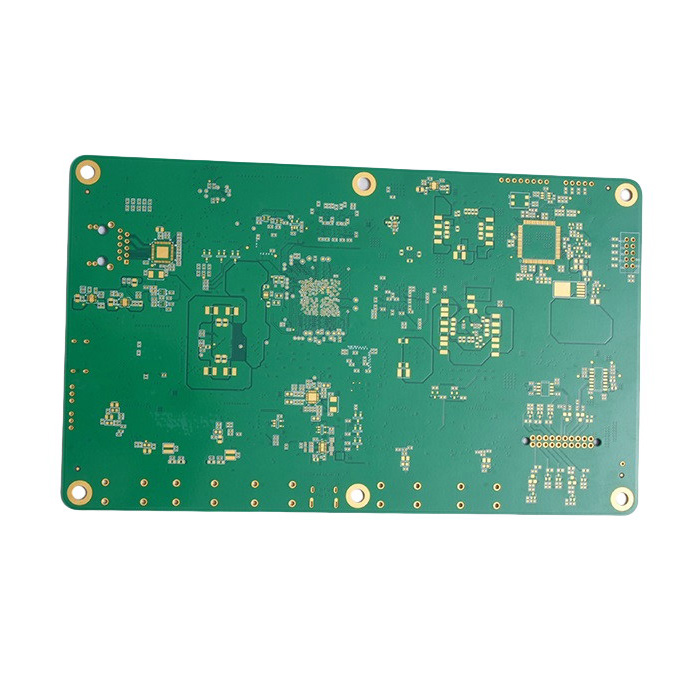
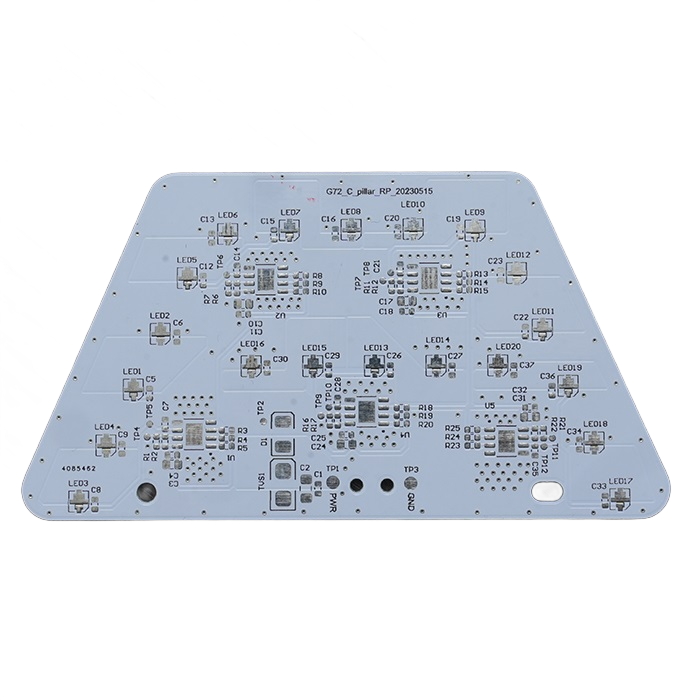
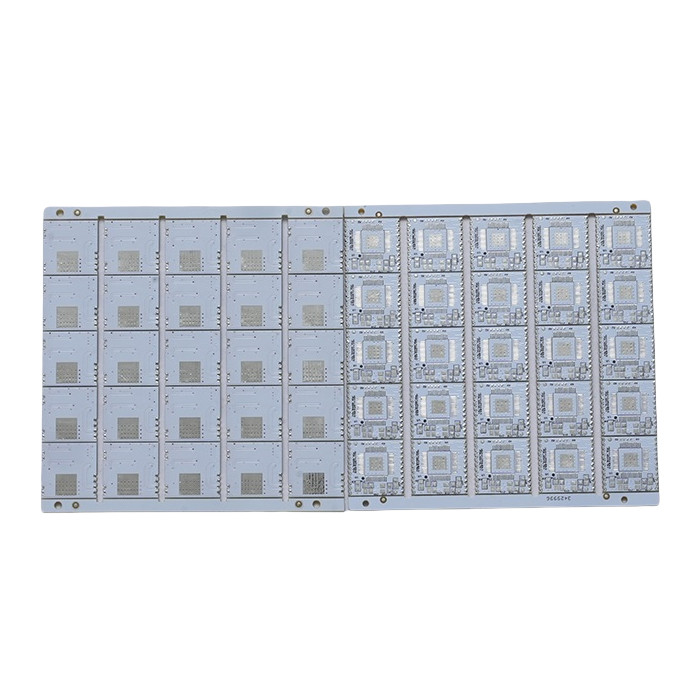
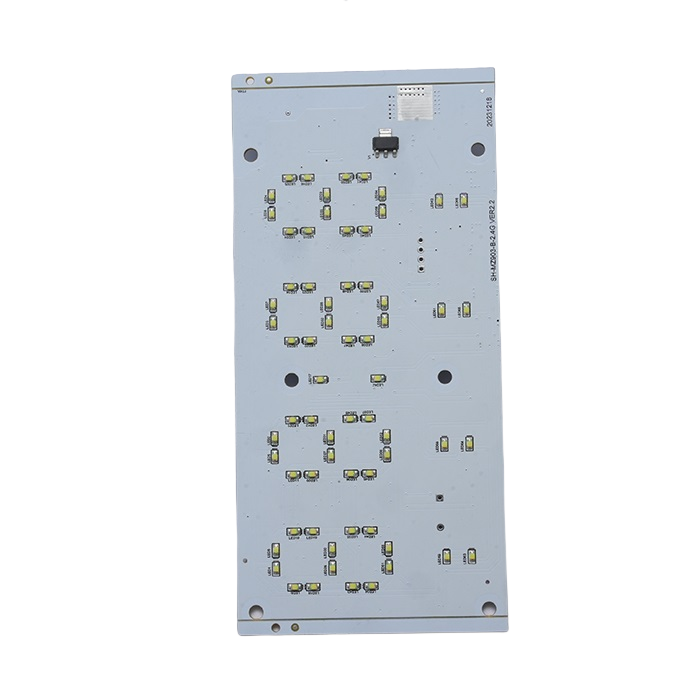
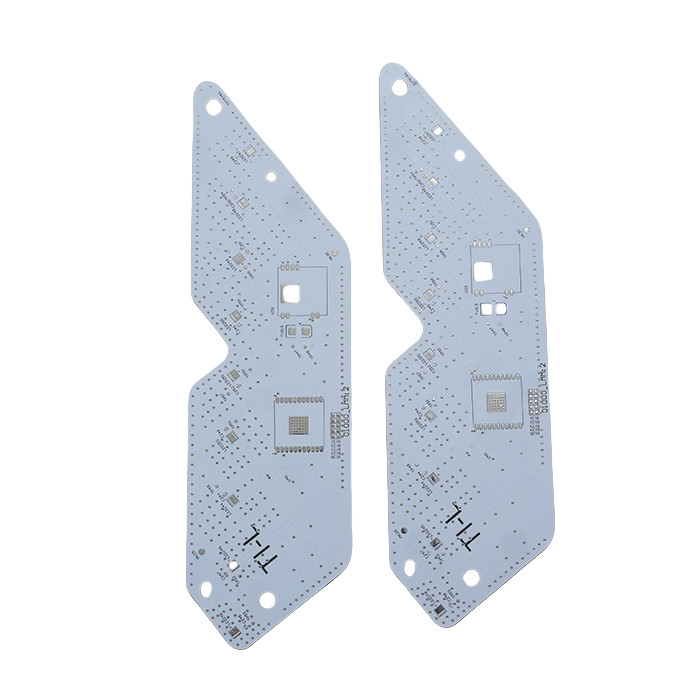
HDI rigid-flex PCBs combine high-density interconnect technology with rigid-flex design, offering miniaturization, high performance, and high reliability. They support complex 3D layouts while optimizing signal integrity and lightweight design, meeting the demands for high performance and miniaturization in modern electronics. Widely used in consumer electronics, medical devices, automotive electronics, and aerospace, HDI rigid-flex PCBs are an essential solution in modern electronics manufacturing.