-
Welcome to Zhejiang Mingtehan Electronics Technology Co., Ltd.
13566043962

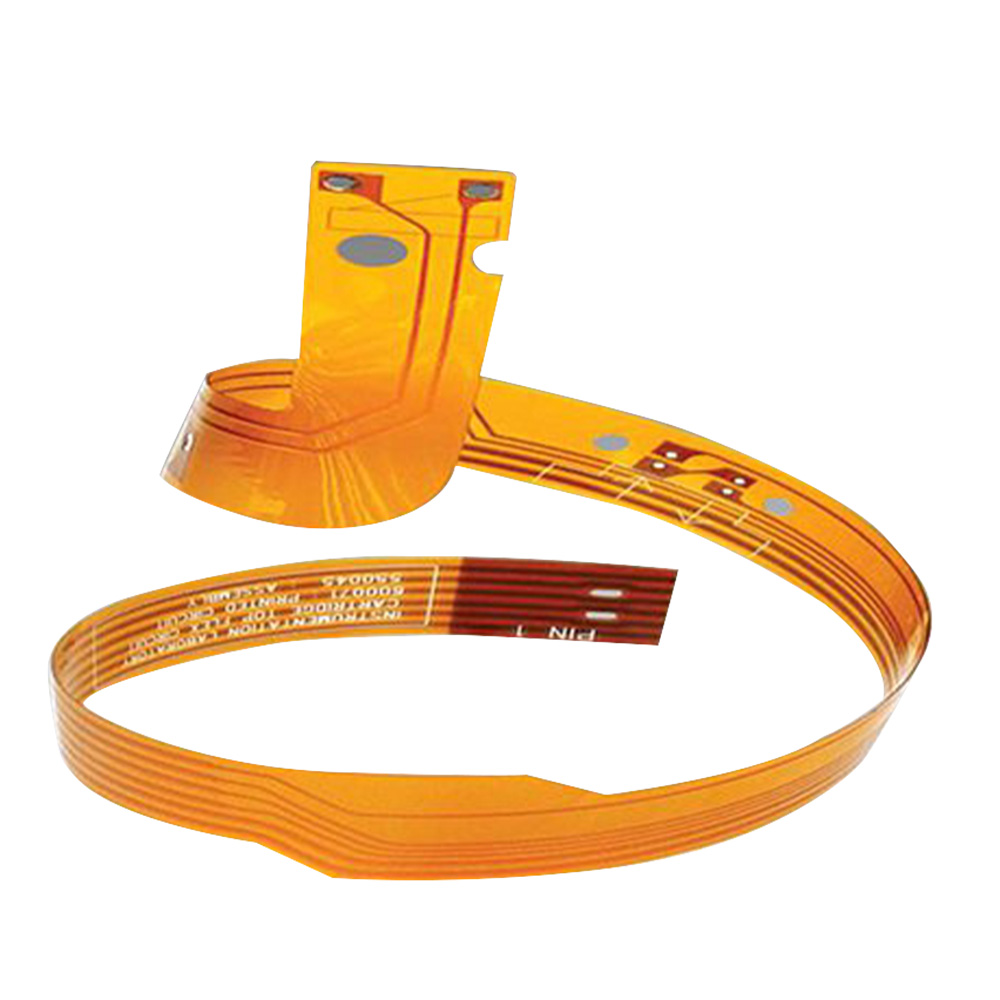
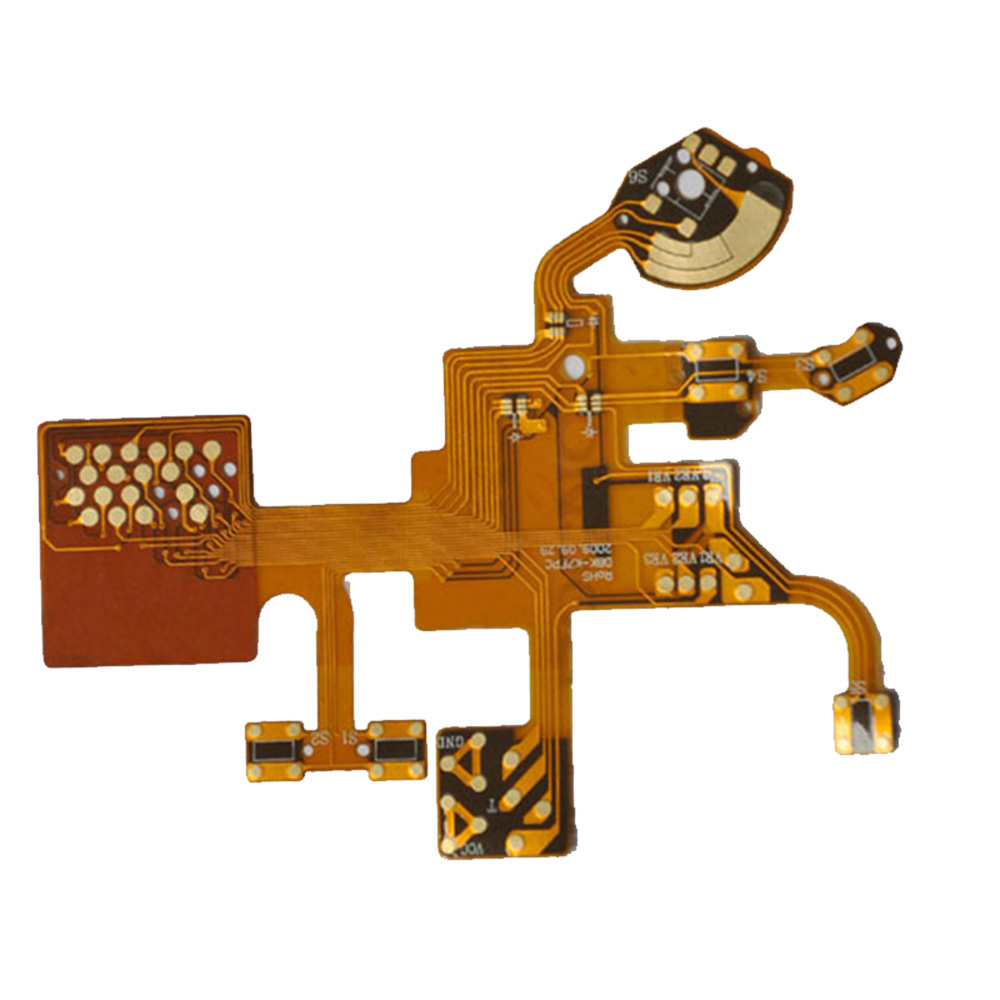
Basic Parameters
Layers: Typically multi-layered, including both rigid and flexible layers.
Substrate Material: Rigid sections use FR-4, while flexible sections use polyimide (PI).
Board Thickness: Overall thickness ranges from 0.5mm to 2.0mm.
Copper Thickness: 1oz to 3oz.
Minimum Line Width/Spacing: 0.15mm/0.15mm.
Via Type: Plated through holes connect rigid and flexible layers.
Features
Combination of Rigidity and Flexibility: Rigid sections provide stable support, while flexible sections enable bending and folding.
Complex 3D Layouts: Supports complex three-dimensional assembly, adapting to various shapes and space requirements.
High Reliability: Maintains stable performance under external impacts or vibrations.
High Integration: Reduces the use of connectors and cables, enhancing signal integrity.
Advantages
Enhanced Reliability: Prevents issues related to plugging/unplugging and thermal expansion/contraction, reducing the risk of short circuits.
Increased Flexibility: Flexible sections can bend and fold, adapting to the design needs of compact devices.
Space and Weight Savings: 3D design and removal of connectors reduce product size and weight.
Simplified Assembly and Testing: Fewer solder joints and interconnect components improve overall reliability.
Applications
Consumer Electronics: Used in smartphones, tablets, and wearable devices to connect displays and mainboards.
Medical Devices: Portable medical monitoring devices that require miniaturization and high reliability.
Aerospace: Critical in harsh environments such as drones and satellite communication equipment.
Automotive Electronics: Sensors and display systems in automotive interiors.
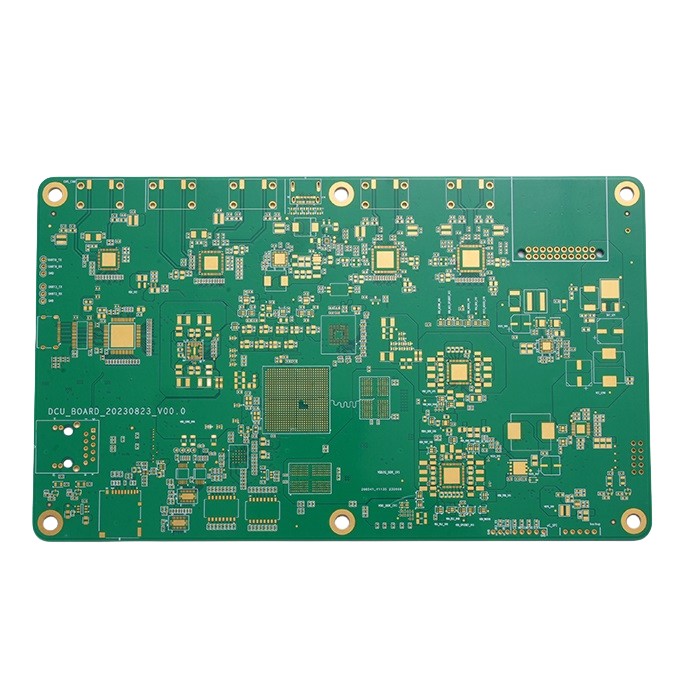
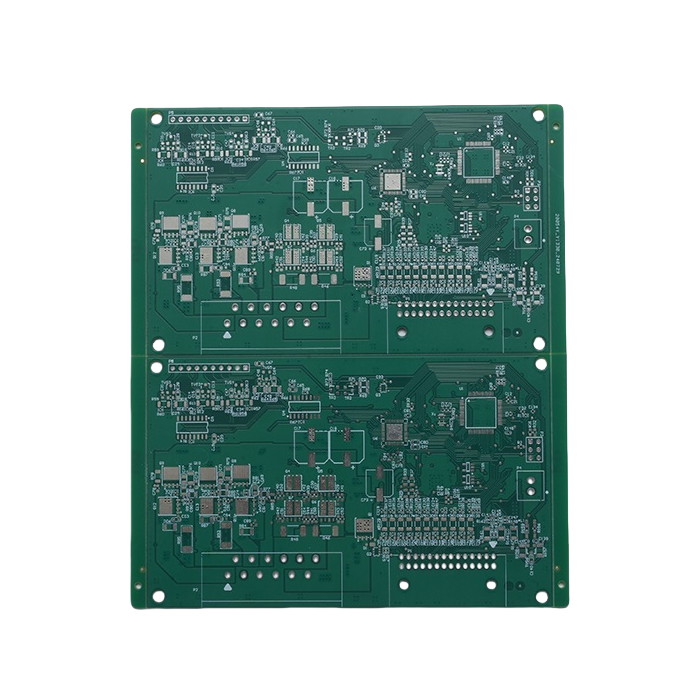
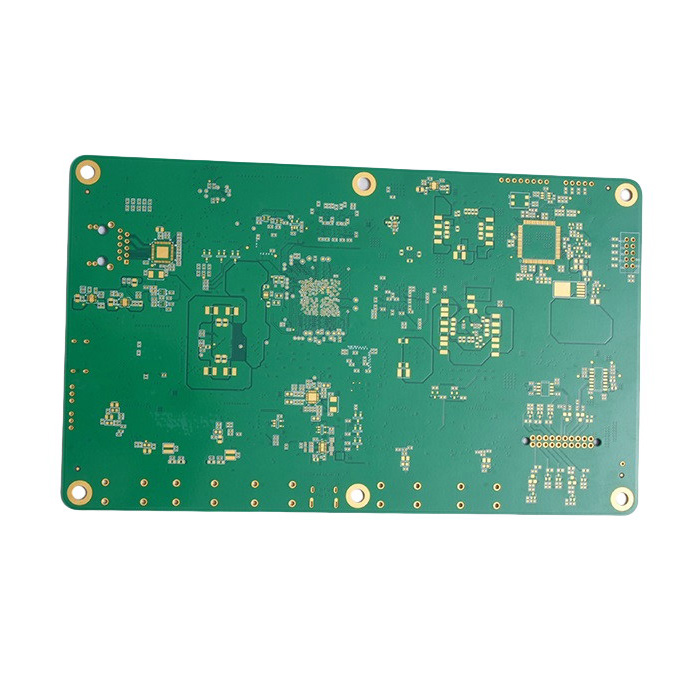
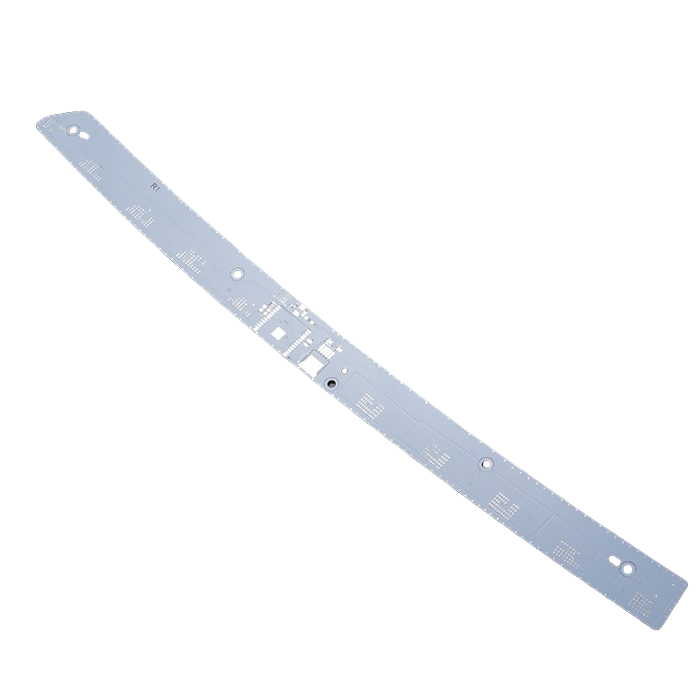
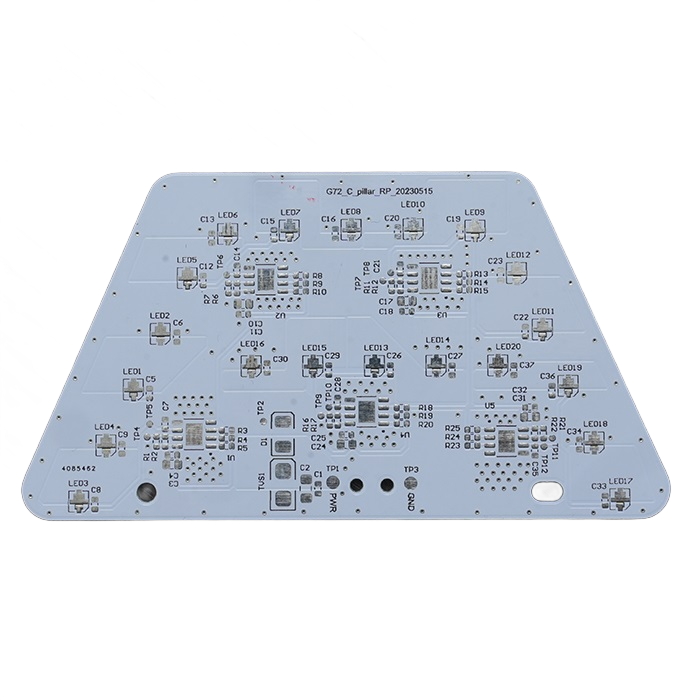
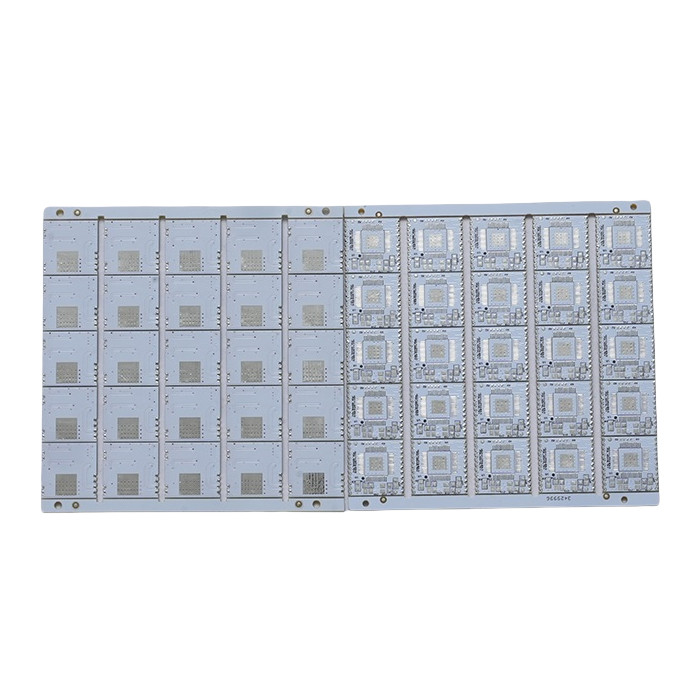
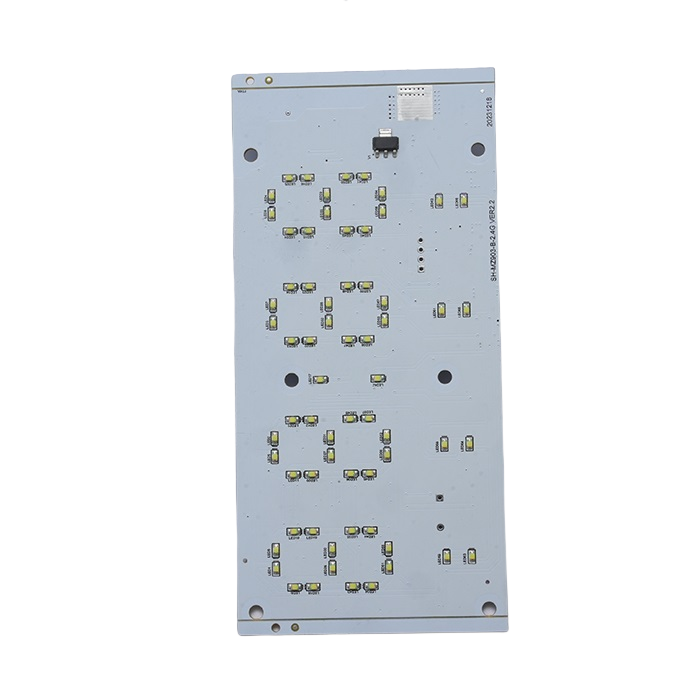
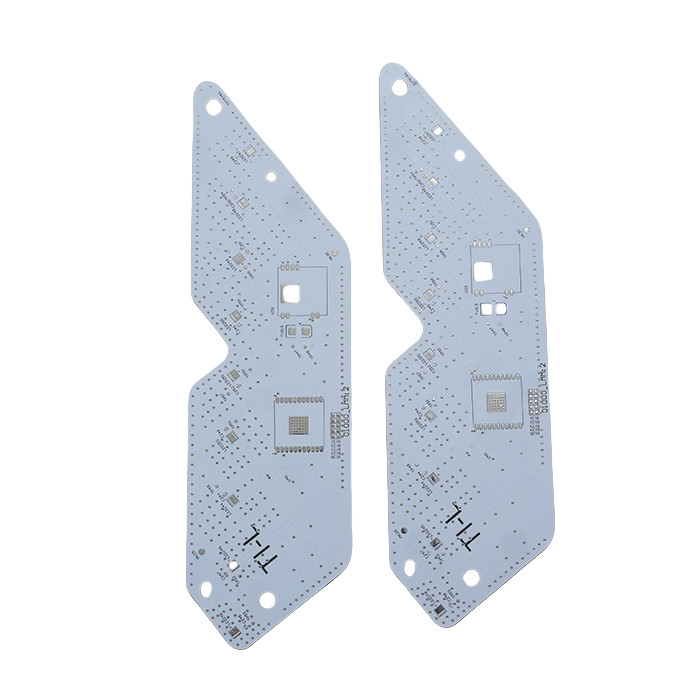
Rigid-flex PCBs combine the strengths of rigid and flexible materials, offering both high strength and flexibility. They enhance the reliability and durability of electronic products while meeting the demands for miniaturization and high performance through complex 3D layouts and high integration. Widely used in consumer electronics, medical devices, aerospace, and automotive electronics, rigid-flex PCBs are an essential solution in modern electronics manufacturing.