-
Welcome to Zhejiang Mingtehan Electronics Technology Co., Ltd.
13566043962

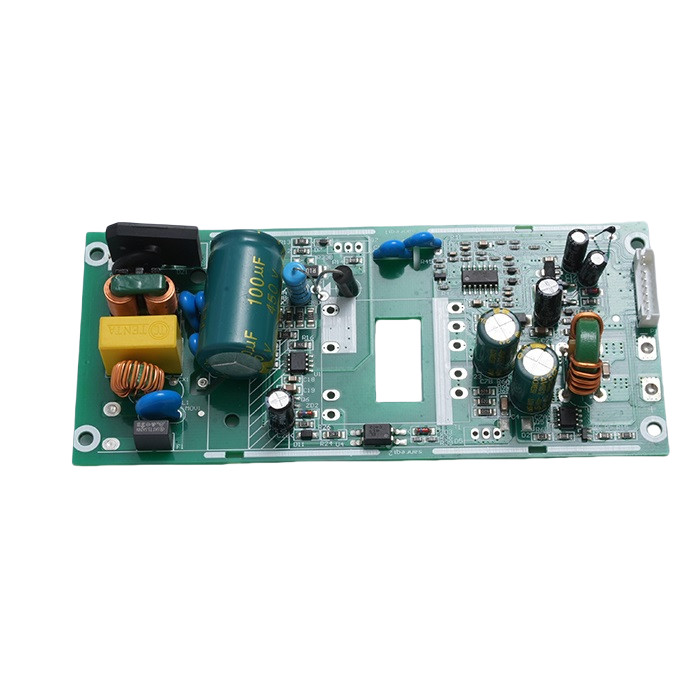
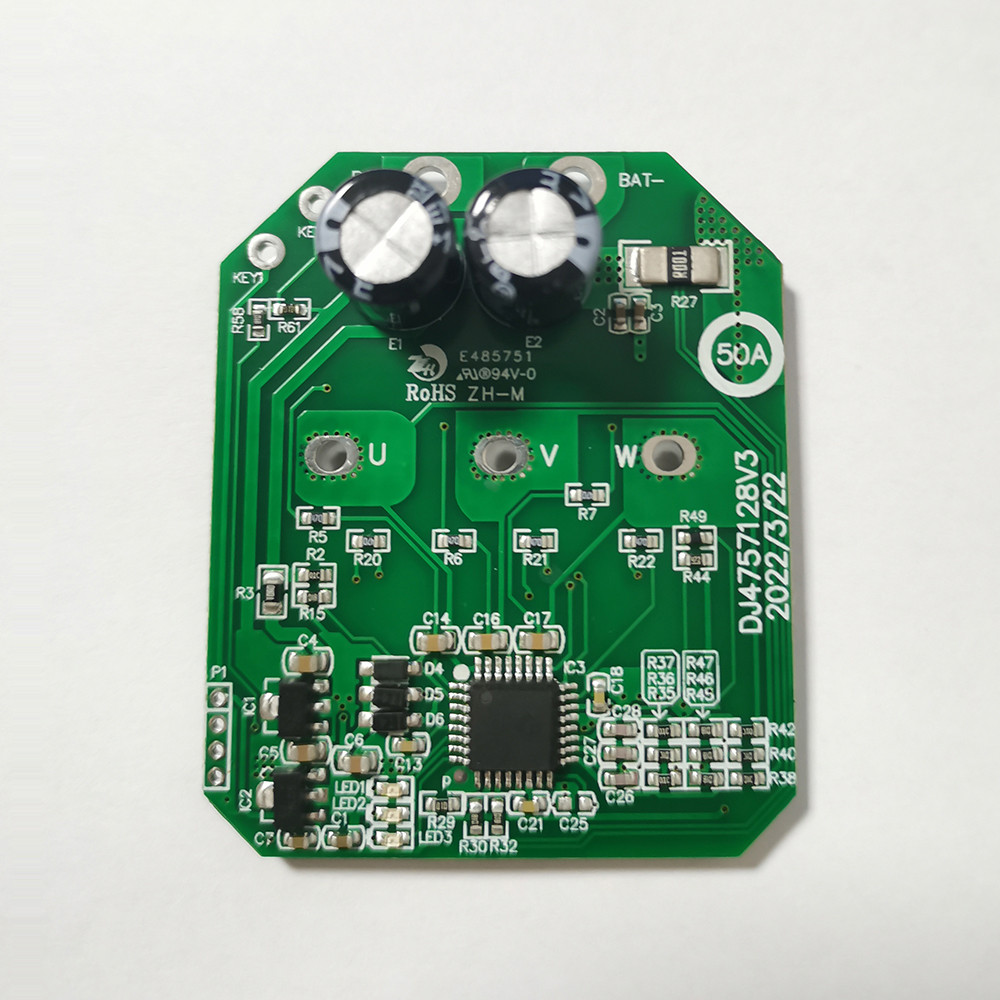
Basic Parameters
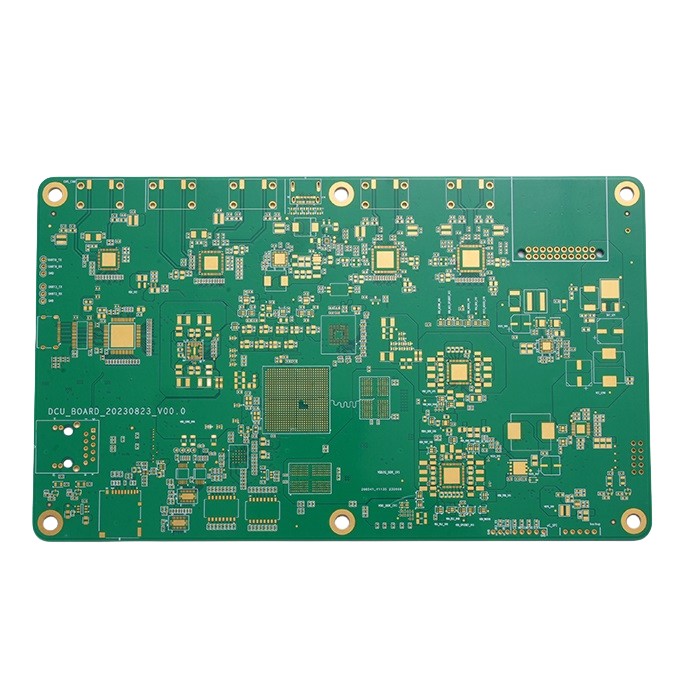
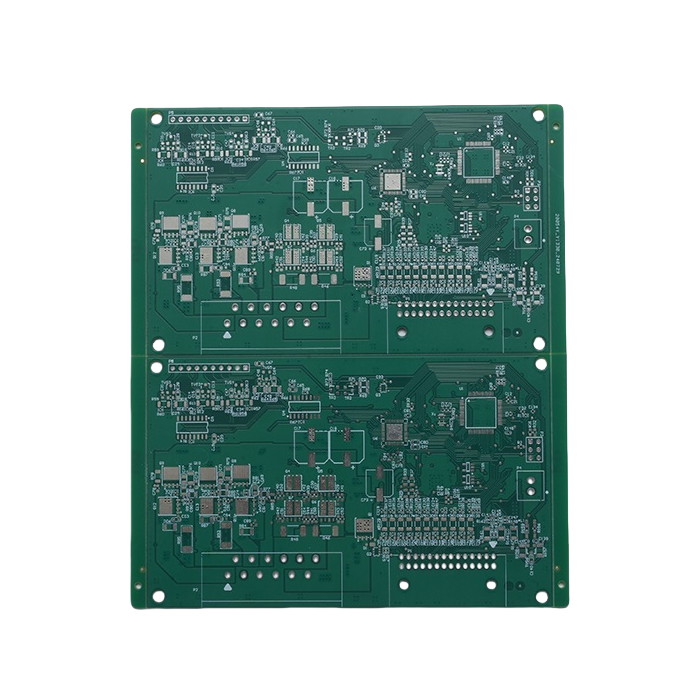
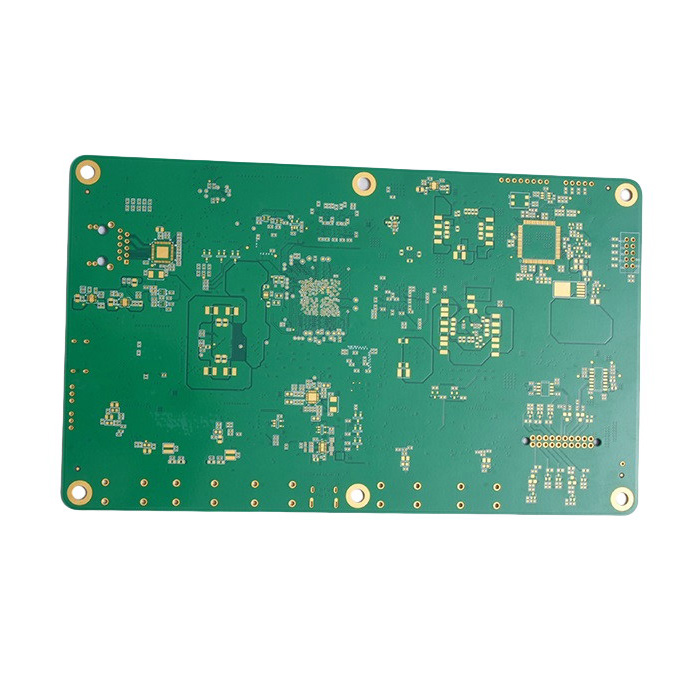
Layers: Typically 2 or 4 layers, depending on the complexity of the tool.
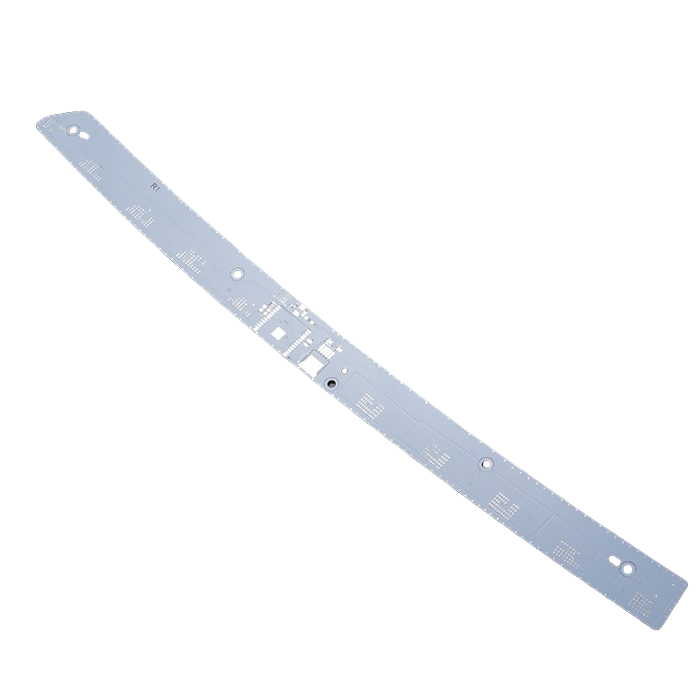
Materials: High-performance insulating materials such as FR-4 for electrical insulation and mechanical strength.
Size: Ranges from 50mm×50mm to 200mm×150mm.
Component Types: Integrated MCU, motor drivers, power management systems.
Surface Finish: Supports lead-free HASL, immersion gold, etc.
Features
High Integration: Multiple functional modules integrated into a single PCB, reducing device size.
Miniaturized Design: Utilizes microvia technology and HDI to achieve smaller line spacing and more compact sizes.
High-Performance Materials: Uses high-thermal-conductivity materials to ensure stable operation under high load.
Environmental Adaptability: Waterproof, dustproof, and vibration-resistant for various working environments.
Advantages
High Performance and Reliability: Optimized PCB design and material selection ensure stable operation under high load.
Miniaturization and Portability: HDI and microvia technology achieve smaller size and lighter weight.
Signal Integrity: Optimized routing and material selection reduce signal interference, ensuring efficient tool operation.
Customization: Supports customized design and assembly based on customer requirements.
Applications
Home Electric Tools: Such as electric screwdrivers, drills, supporting multiple functions and adjustable modes.
Industrial Electric Tools: Such as electric wrenches, angle grinders, requiring high torque and high power.
Gardening Tools: Such as electric lawn mowers, trimmers, supporting long-term operation.
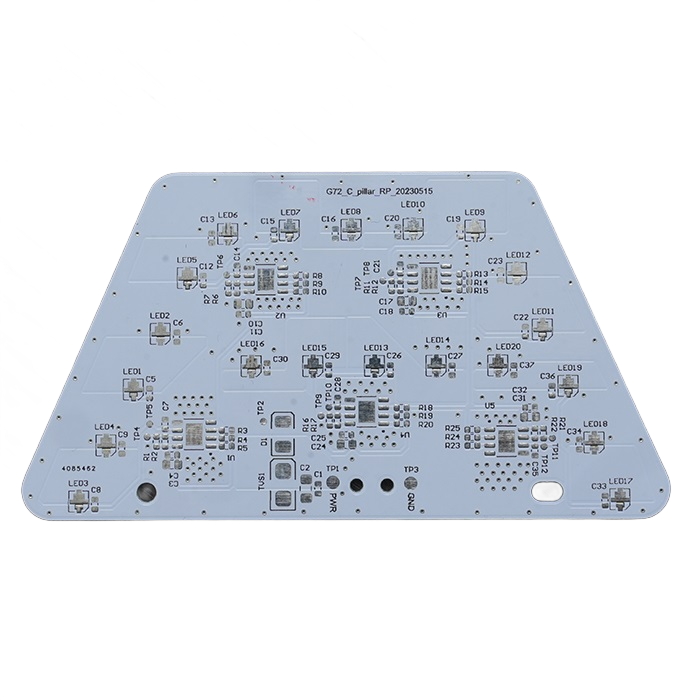
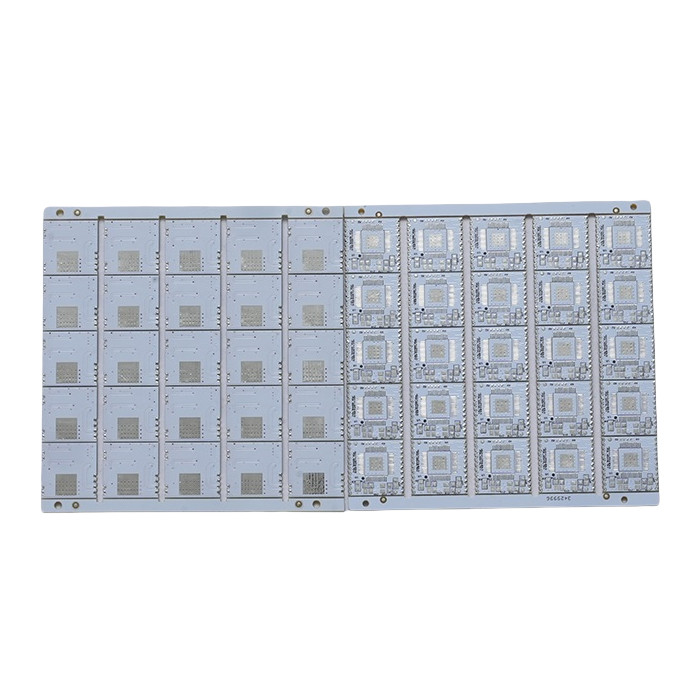
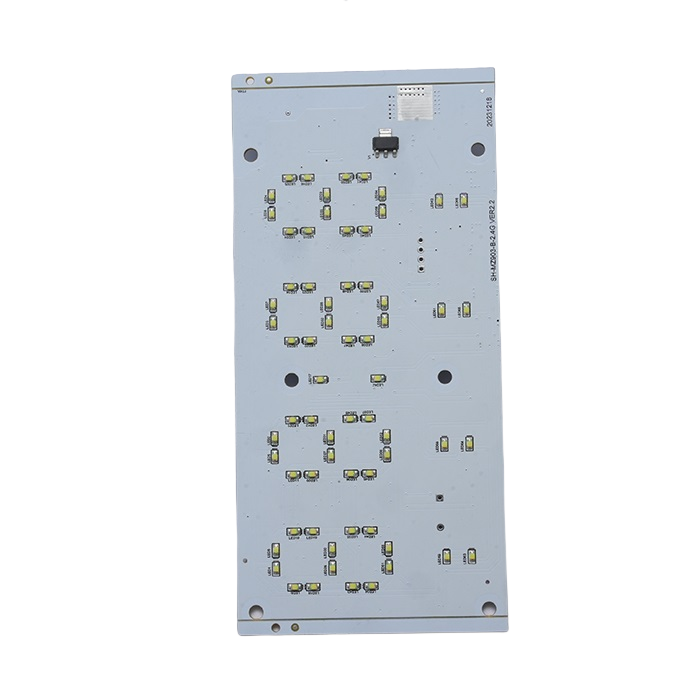
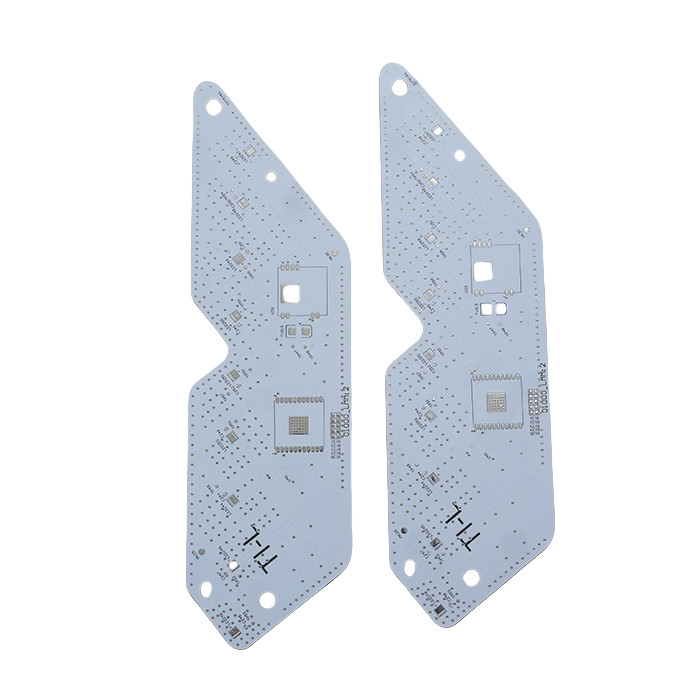
Electric tool PCBA boards achieve high performance and portability through high integration, miniaturized design, and optimized signal integrity. They support complex functional requirements and ensure device stability and reliability through optimized materials and processes.