-
Welcome to Zhejiang Mingtehan Electronics Technology Co., Ltd.
13566043962

Basic Parameters
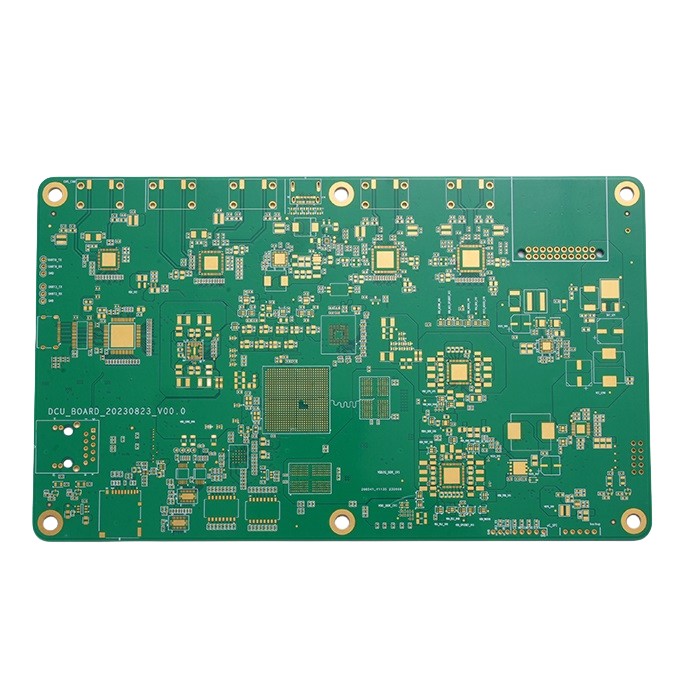
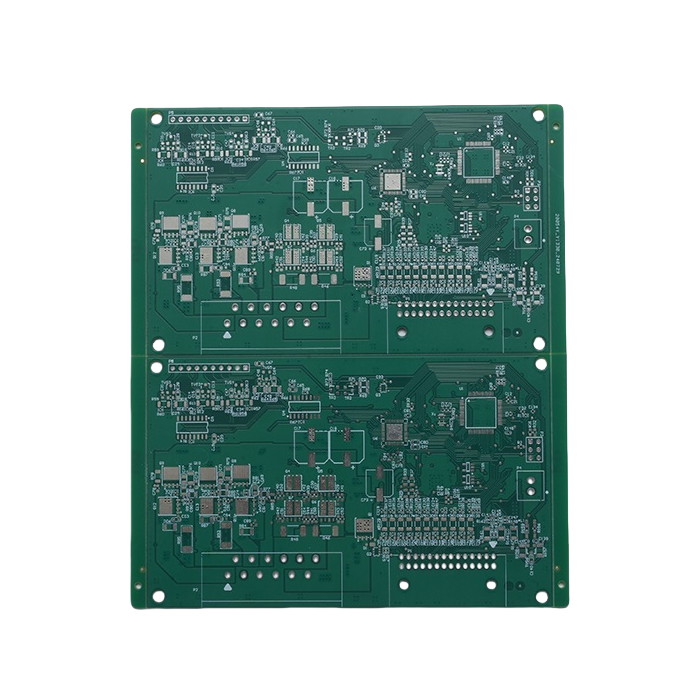
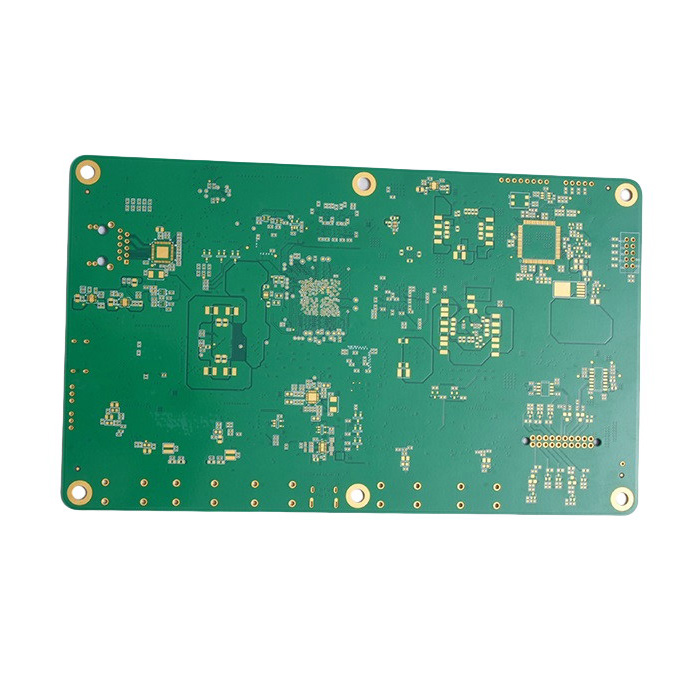
Layers: Typically multi-layer design, often 6 layers or more (e.g., 8, 10 layers). More layers improve signal integrity but increase cost.
Electrical Performance:
Dielectric constant (Dk): Generally between 4.0 and 4.7, suitable for low-frequency circuits.
Dissipation factor (Df): Low, suitable for general digital circuits.
Insulation resistance: High, meeting working voltage requirements.
Thermal Performance:
Glass transition temperature (Tg): Typically above 130°C.
Coefficient of thermal expansion (CTE): Stable, maintaining stable circuit connections.
Mechanical Performance:Bending strength: High, withstanding mechanical stress and vibration.
Water absorption rate: Low, suitable for multi-layer PCB manufacturing.
Interface Types: Supports various interfaces, including USB, HDMI, SD card slots, and audio jacks.
Features
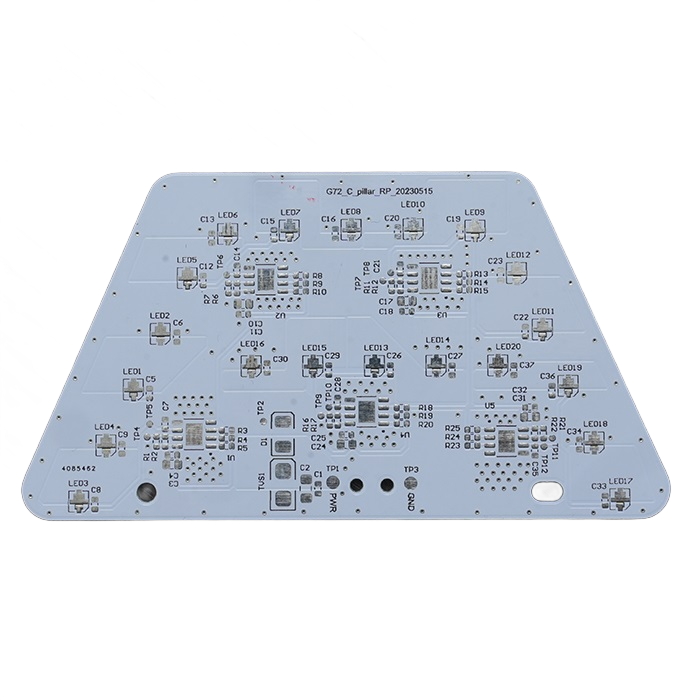
High Integration: Integrates multiple electronic components into a small-sized circuit board, reducing size and weight while enhancing performance and reliability.
Automated Production: Uses SMT and reflow soldering processes to improve production efficiency and reduce costs.
Customizability: Can be designed with different electronic components and PCB materials to meet specific functional requirements.
Quality and Reliability: Undergoes strict quality control and testing to ensure long-term stable operation.
Advantages
High Performance and Low Power Consumption: Supports high-performance processors (e.g., Intel, AMD CPUs) and efficient power management while optimizing energy consumption.
Miniaturization and Lightweight: Multi-layer PCB design and HDI technology make the PCBA board smaller and lighter.
Signal Integrity: Multi-layer design and optimized wiring reduce EMI and improve signal transmission quality.
Ease of Maintenance and Upgradability: Modular design facilitates repairs and functional upgrades.
Applications
Laptop Motherboard: Integrates CPU, chipset, memory controller, and graphics processing unit for multitasking and high-performance computing.
Power Management: Controls battery charging, power adapter input, and power distribution.
Interface Connectivity: Provides USB, HDMI, audio, and other interfaces for peripheral connections.
Thermal Management: Ensures system stability under high load through thermal design on the PCBA board.
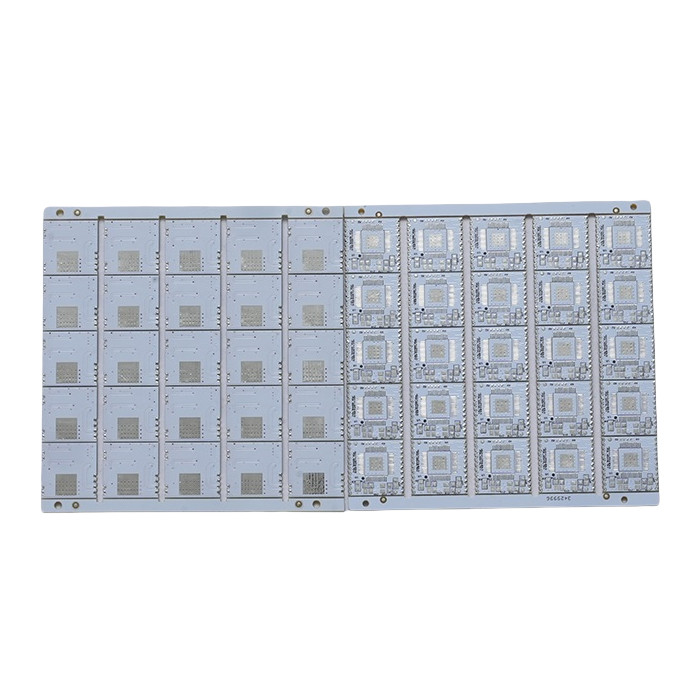
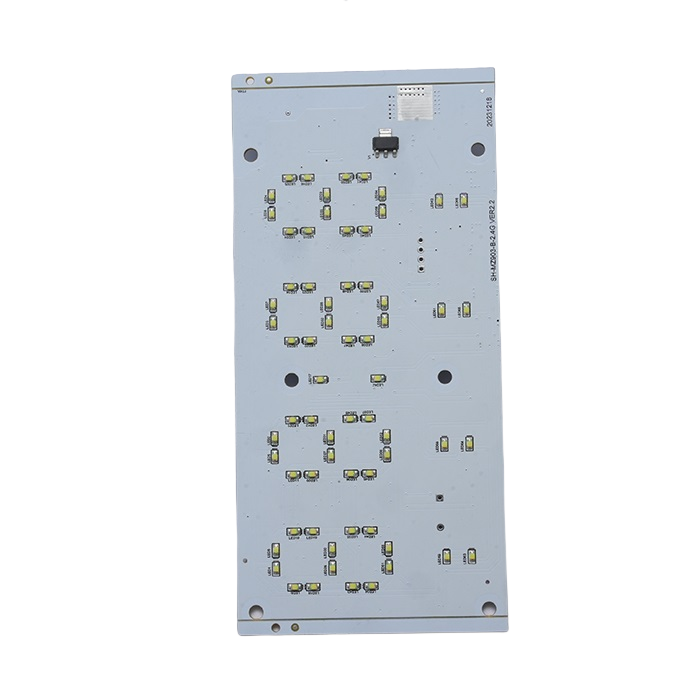
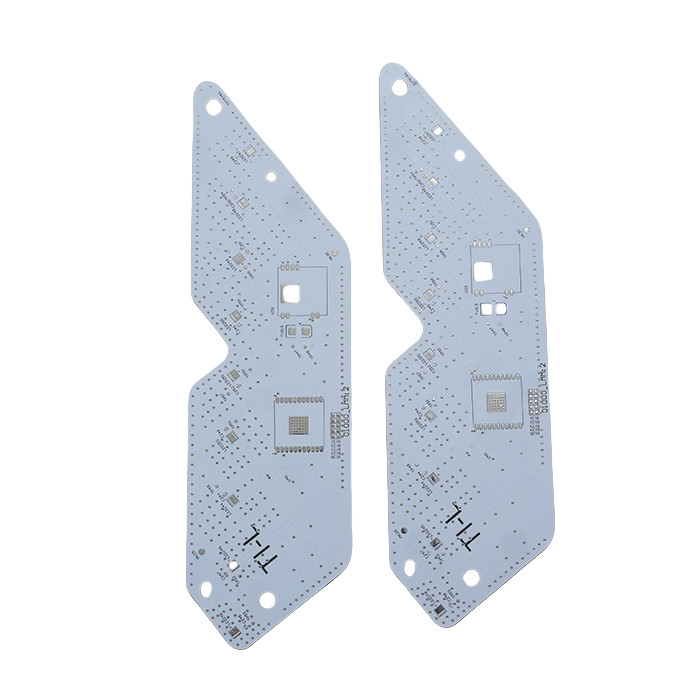
The PCBA board in laptops is a key component for achieving high performance, portability, and multifunctionality. With multi-layer design, high integration, and optimized electrical performance, the PCBA board not only improves signal integrity and system stability but also supports high-performance processors and low-power operation. Its customizability and modular design make it adaptable to various functional requirements, providing crucial support for the high performance and portability of laptops.