-
Welcome to Zhejiang Mingtehan Electronics Technology Co., Ltd.
13566043962

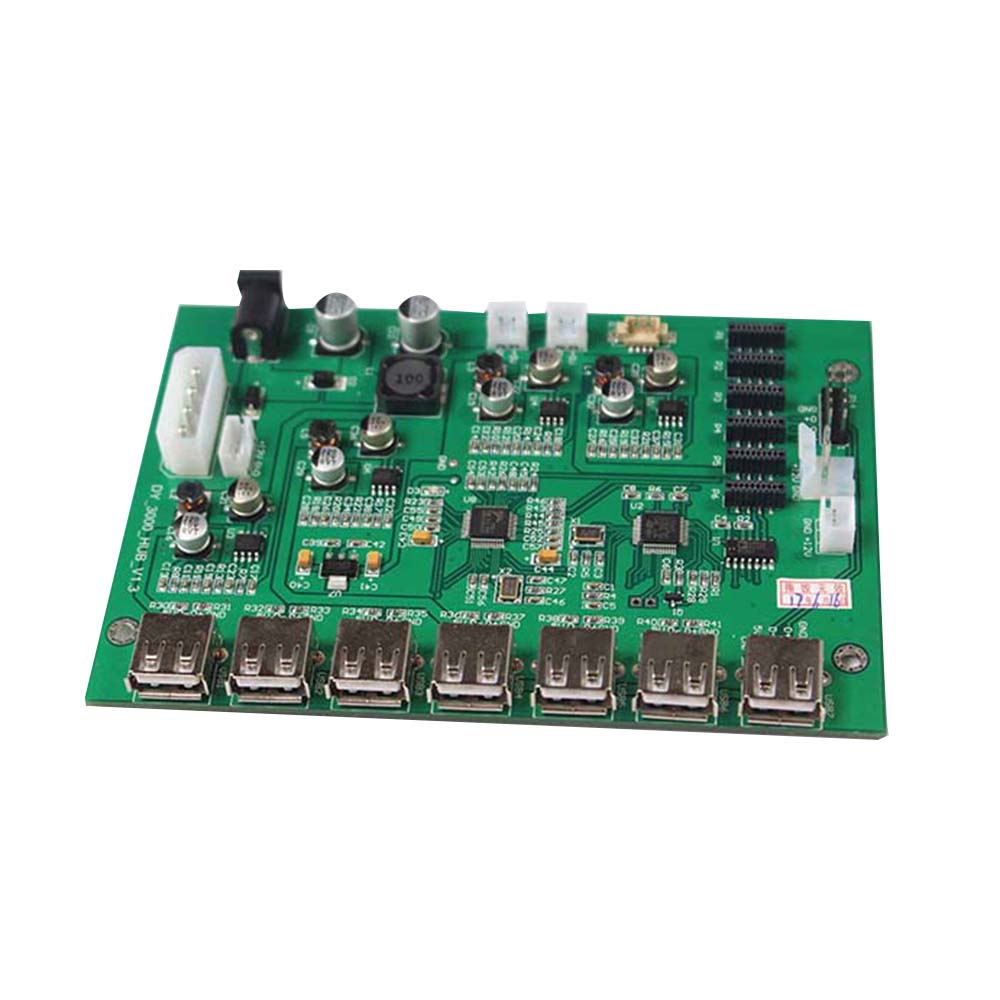
Basic Parameters
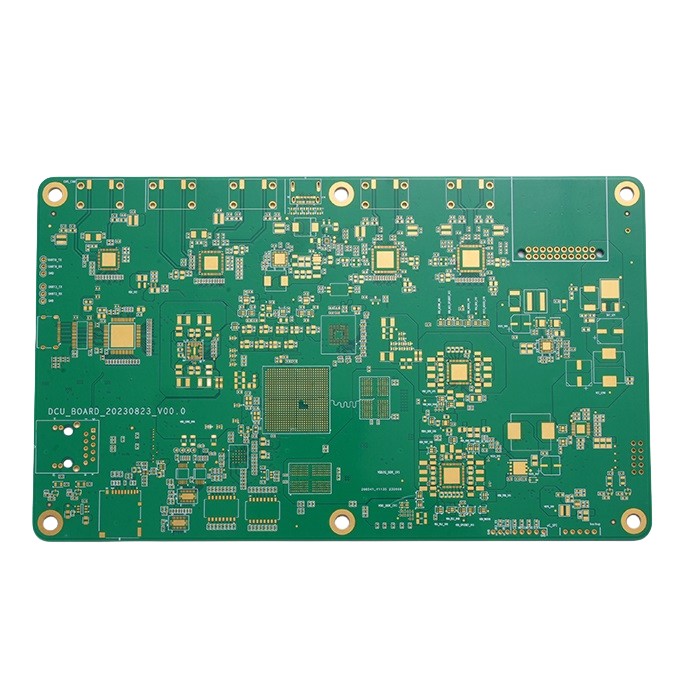
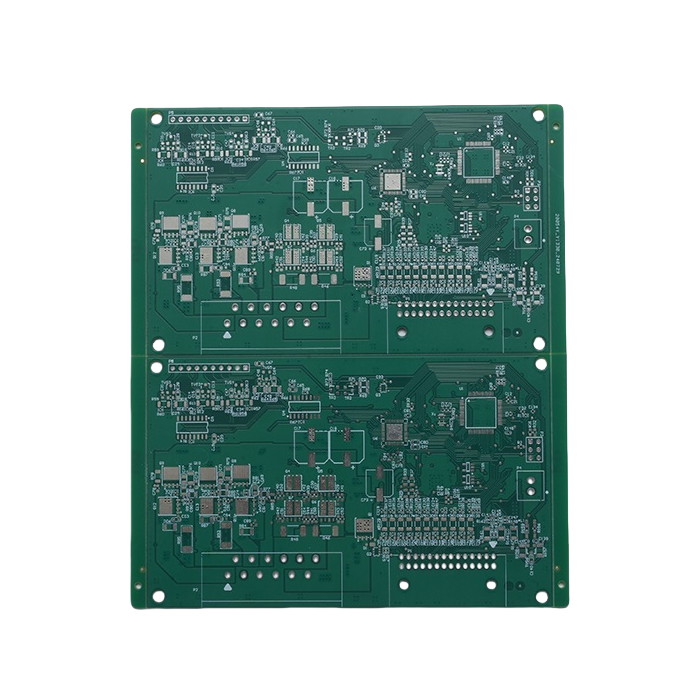
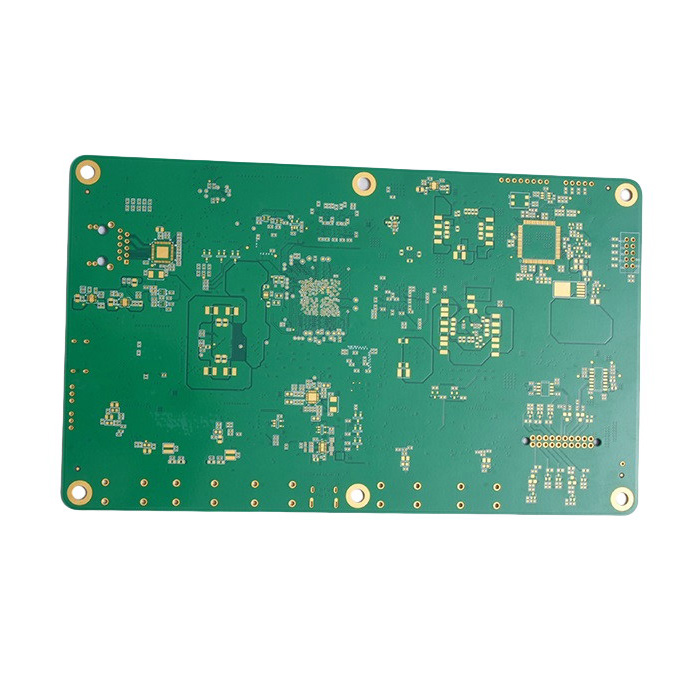
Layers: Typically 2 to 4 layers, depending on the complexity of the device.
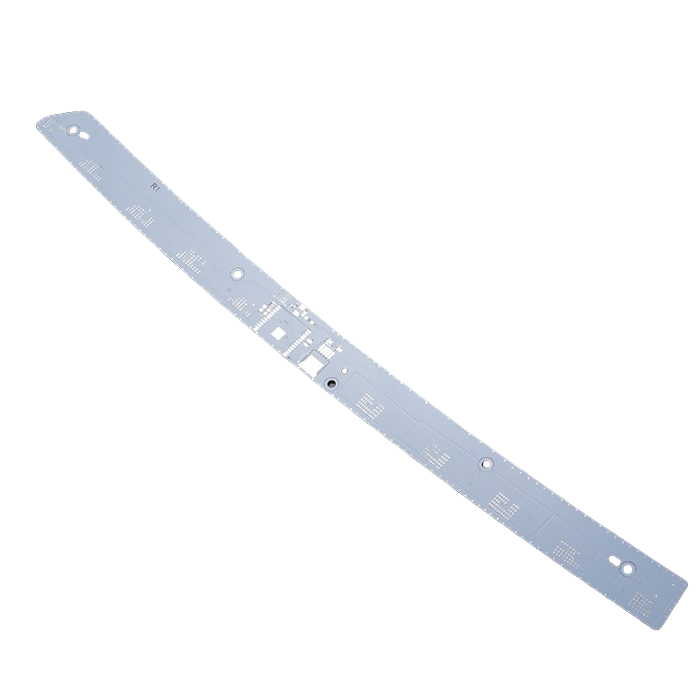
Materials: High-performance insulating materials like FR-4 for electrical insulation and mechanical strength.
Wireless Connectivity: Supports Wi-Fi, Bluetooth, Zigbee, and other wireless protocols.
Sensor Integration: Integrated with various sensors such as temperature and humidity sensors, light sensors, and infrared sensors.
Power Management: Low-power design to extend device life.
Features
High Integration: Multiple functional modules integrated into a single PCB, reducing device size.
Smart Control: Supports remote control, timed switching, scene settings, and more.
Environmental Adaptability: Water-resistant, dust-proof, and interference-resistant for various home environments.
Wireless Connectivity: Wireless communication modules enable device interconnectivity.
Advantages
Multi-functionality: Integrated sensors and communication modules support diverse applications.
Energy Efficiency: Low-power design and smart control reduce energy consumption.
User Experience: Convenient control through smartphones or voice assistants.
Reliability: High-quality materials and strict quality control ensure long-term stable operation.
Applications
Smart Lighting: Remote control, timed switching, scene settings, and energy management.
Smart Security: Smart cameras, window/door sensors, alarm systems.
Smart Appliances: Smart refrigerators, air conditioners, washing machines with remote control and alerts.
Environmental Control: Smart thermostats, humidity controllers, air purifiers.
Smart Speakers: Voice interaction and wireless audio playback.
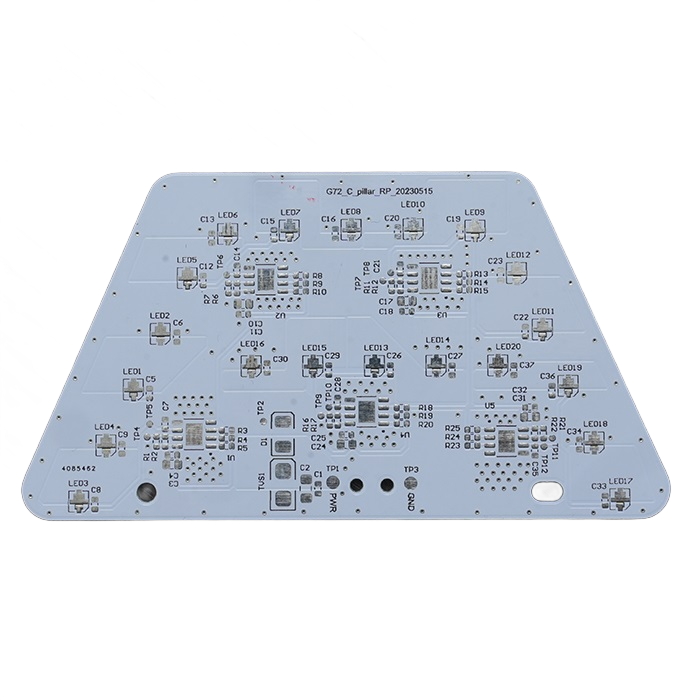
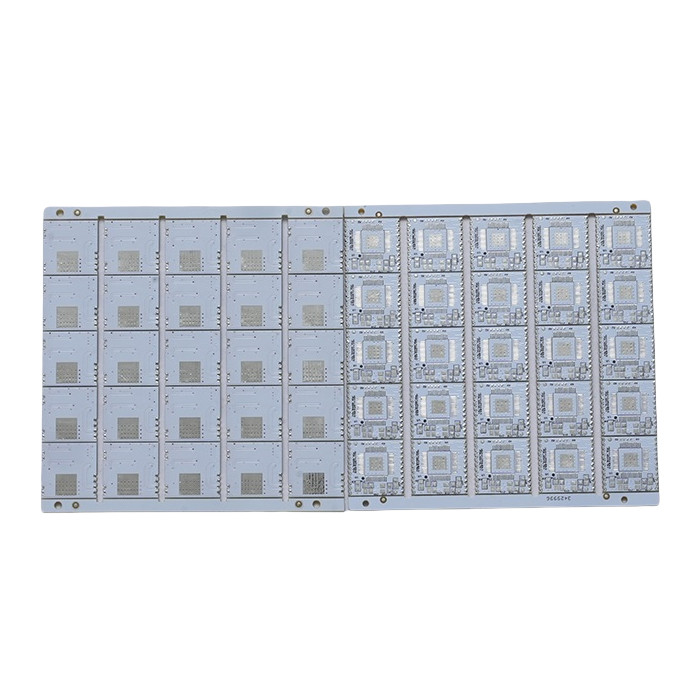
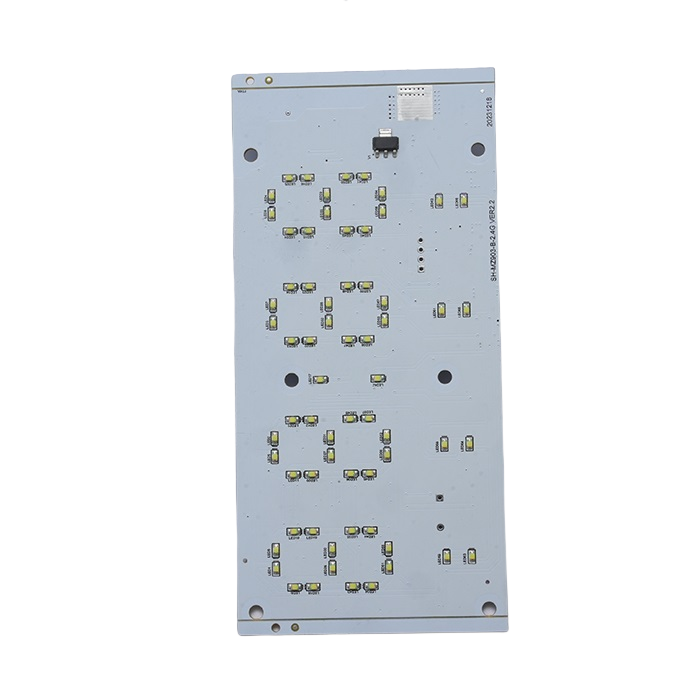
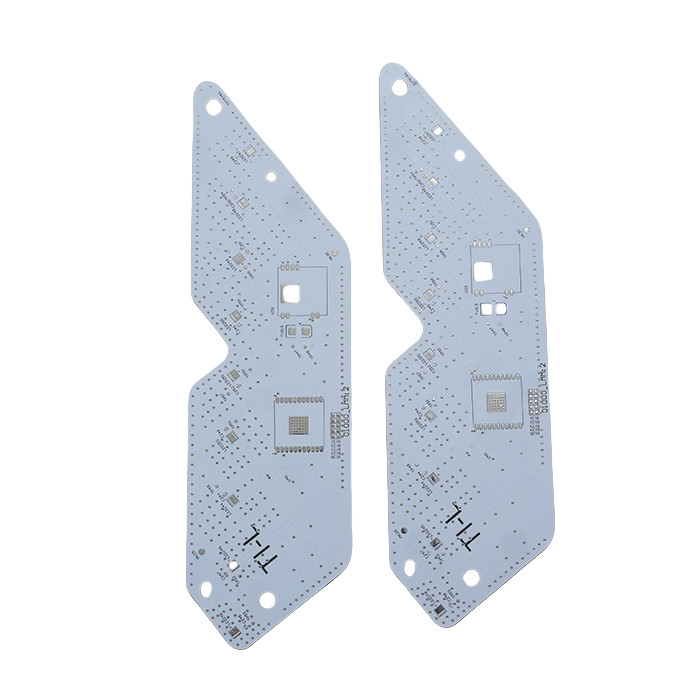
Smart home device PCBA boards achieve multi-functionality and convenience through high integration, wireless connectivity, and smart control. They support diverse applications and ensure energy efficiency and reliability through low-power design and high-quality materials.