-
Welcome to Zhejiang Mingtehan Electronics Technology Co., Ltd.
13566043962

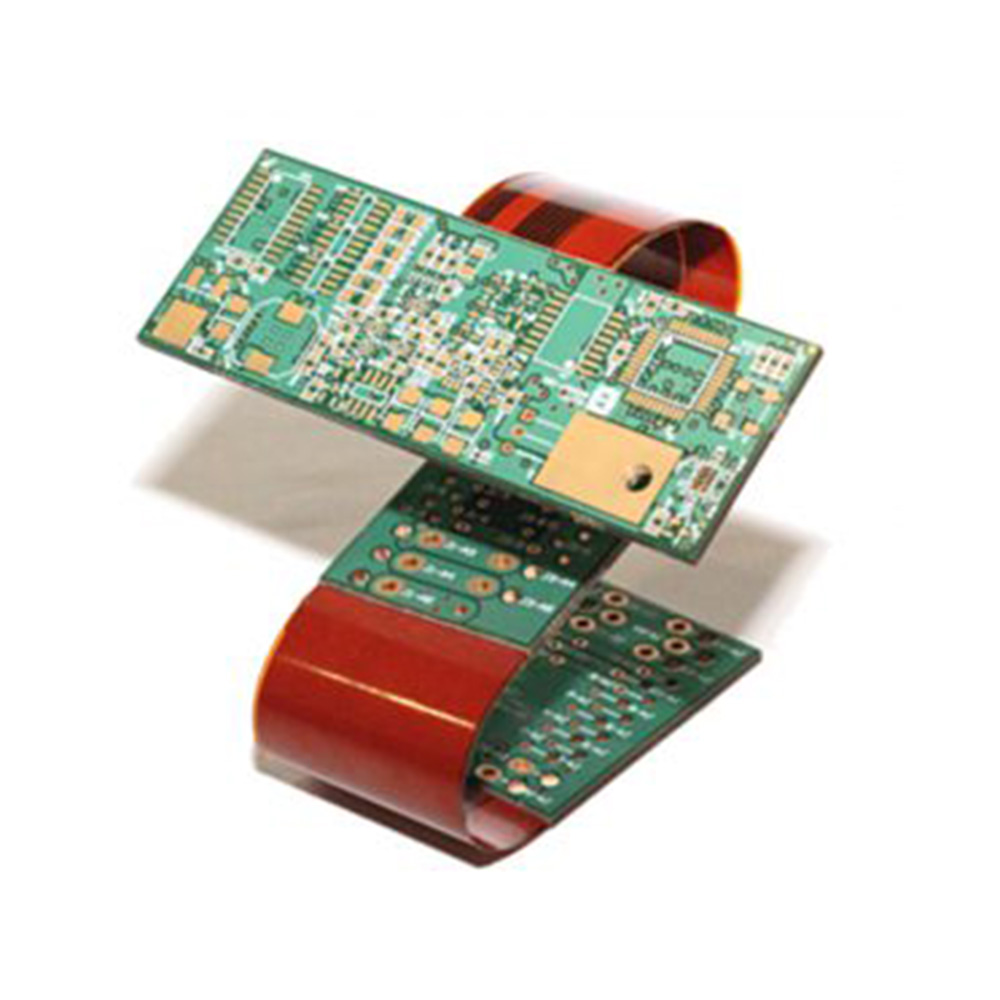
Basic Parameters
Layers: Typically 2 or 4 layers, depending on the complexity of the device.
Materials: High-performance insulating materials such as FR-4, polyimide (PI).
Size: Ranges from 10mm×10mm to 100mm×50mm.
Component Types: Integrated MCU, sensors (heart rate, accelerometer), Bluetooth modules.
Surface Finish: Supports lead-free HASL, immersion gold.
Features
Miniaturized Design: Utilizes HDI technology to achieve smaller line spacing and more compact sizes.
Low Power Consumption: Optimized circuit design to extend device battery life.
High Integration: Multiple functional modules integrated into a single PCB, reducing device size.
Environmental Adaptability: Waterproof, dustproof, and vibration-resistant.
Advantages
High Performance and Reliability: Optimized PCB design and material selection ensure stable operation in complex environments.
Miniaturization and Portability: HDI and microvia technology achieve smaller size and lighter weight.
Low Power Design: Supports low-power Bluetooth and optimized power management systems to extend battery life.
Customization: Supports customized design and assembly based on customer requirements.
Applications
Health Monitoring: Smartwatches, fitness bands supporting heart rate, blood pressure, and sleep monitoring.
Sports Assistance: Motion trackers recording sports data and providing sports suggestions.
Smart Accessories: Smart glasses, smart clothing supporting multiple functions.
Medical Devices: Portable medical monitoring devices supporting remote healthcare.
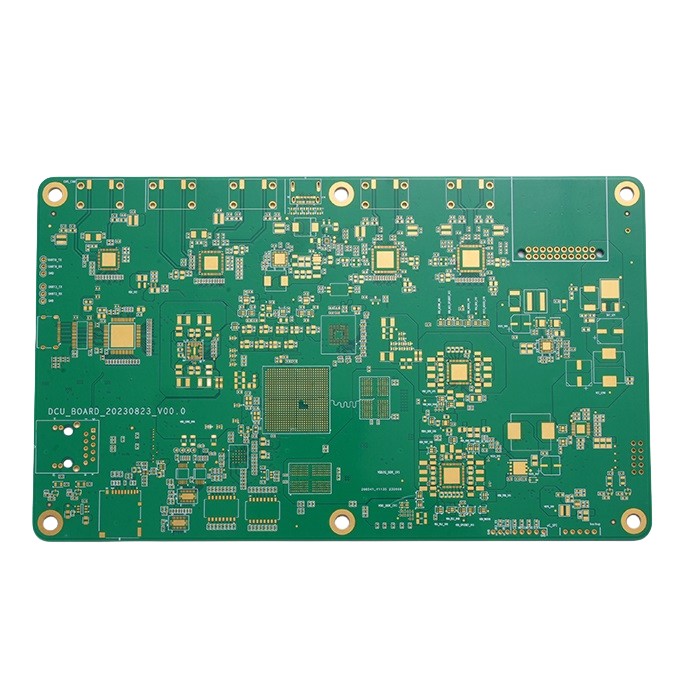
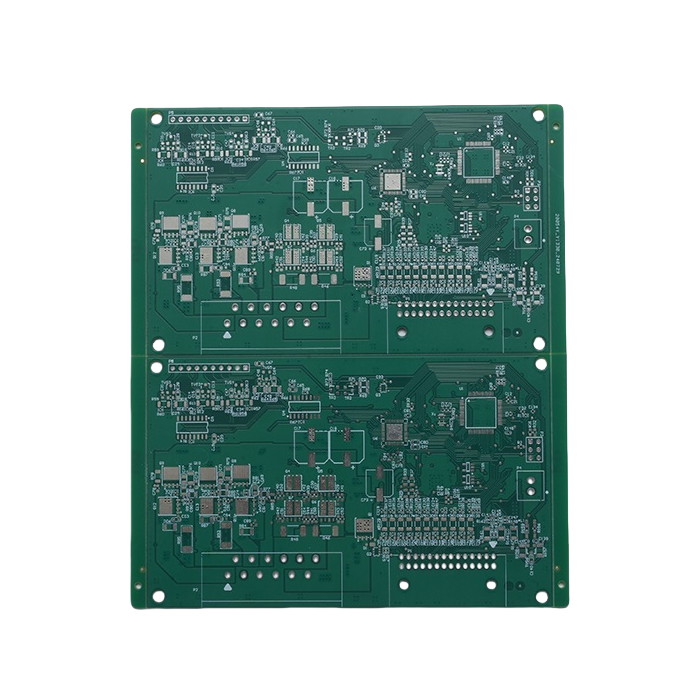
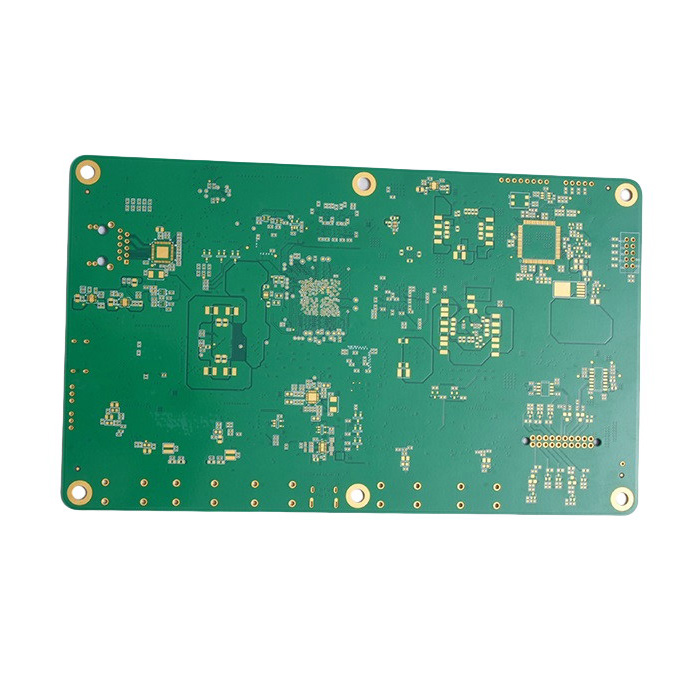
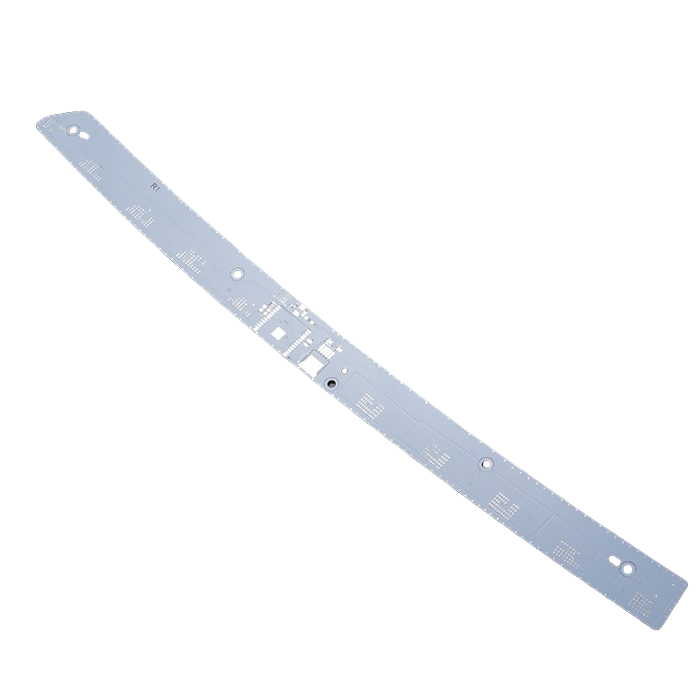
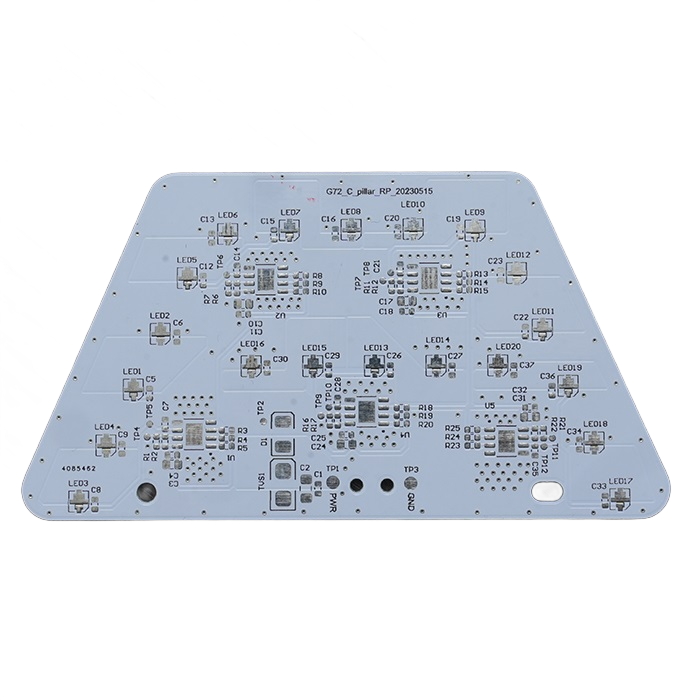
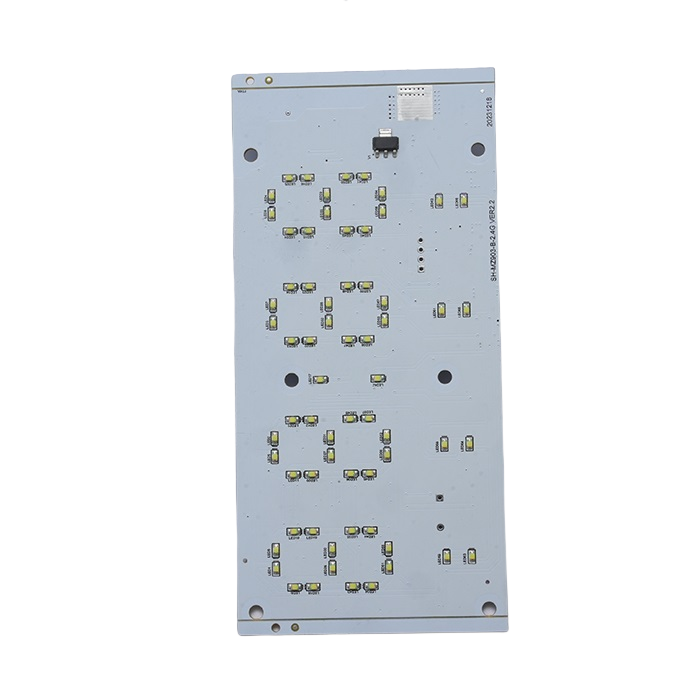
Wearable device PCBA boards achieve high performance and portability through miniaturized design, low-power optimization, and high integration. They support complex functional requirements and ensure device stability and reliability through optimized materials and processes.