-
Welcome to Zhejiang Mingtehan Electronics Technology Co., Ltd.
13566043962

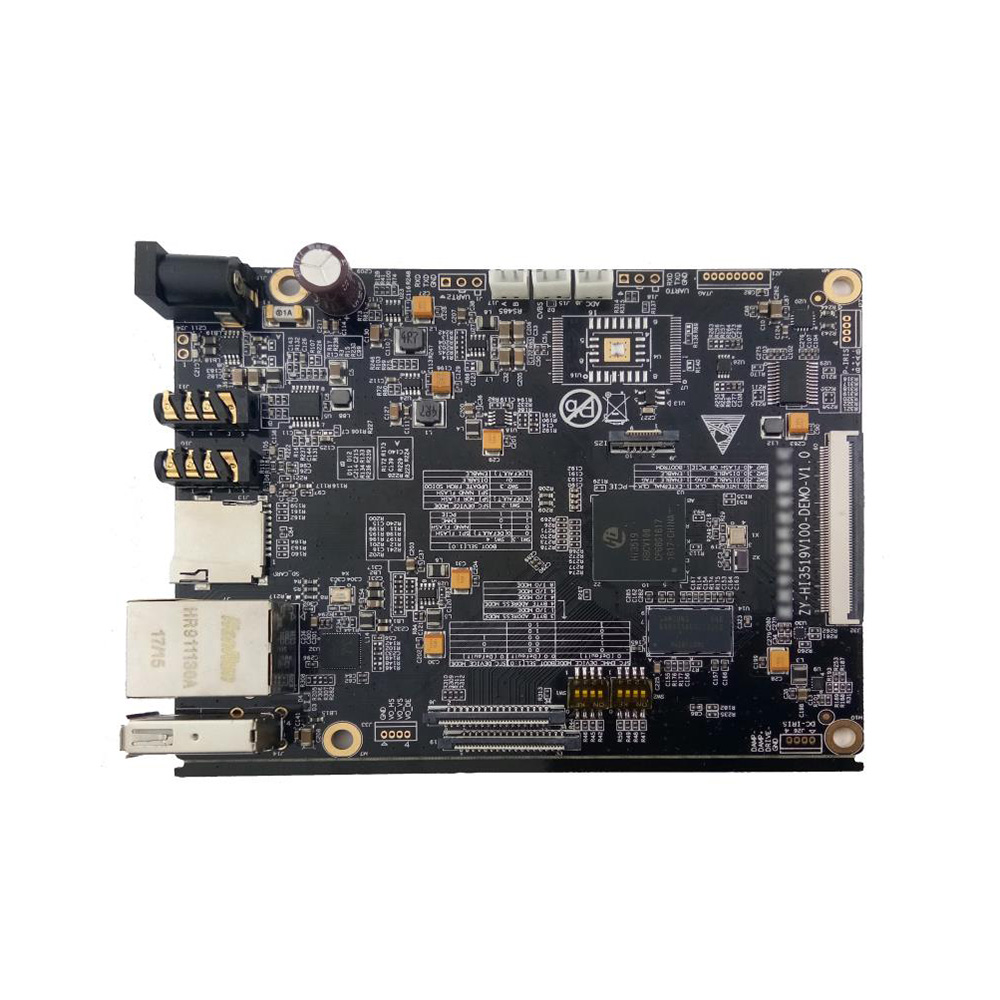
Basic Parameters
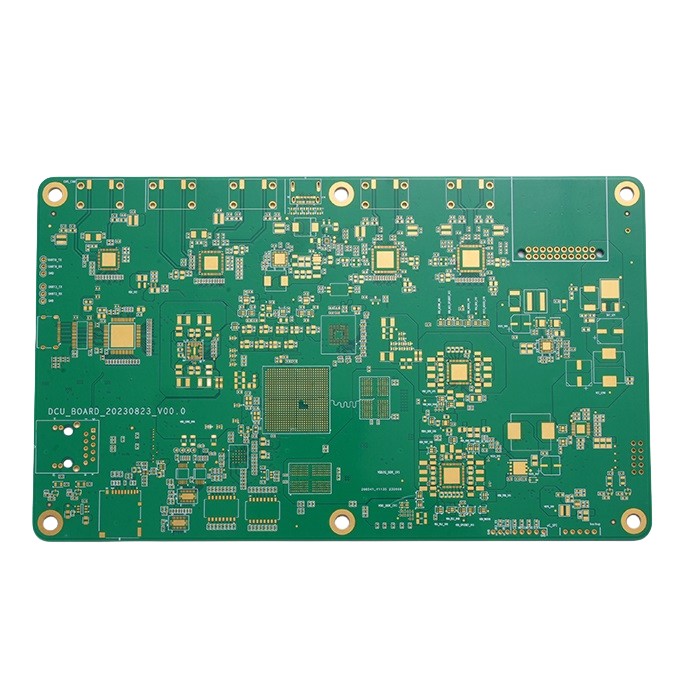
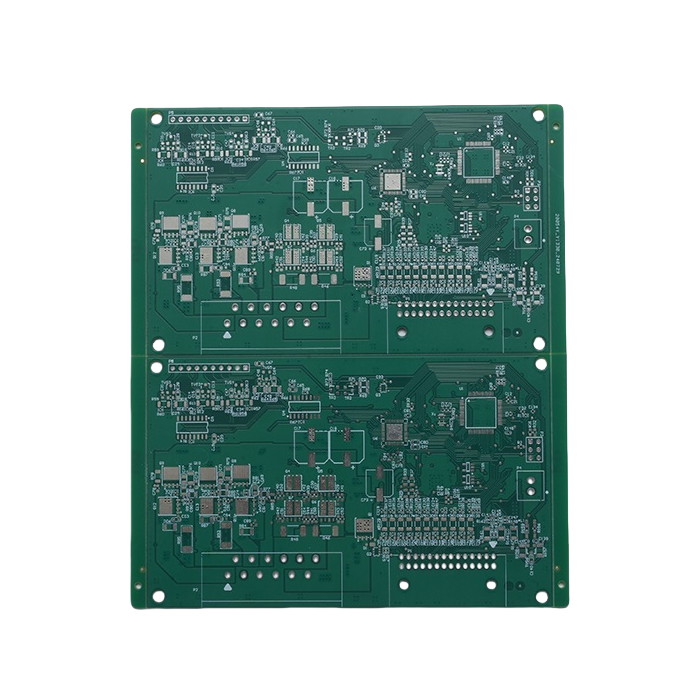
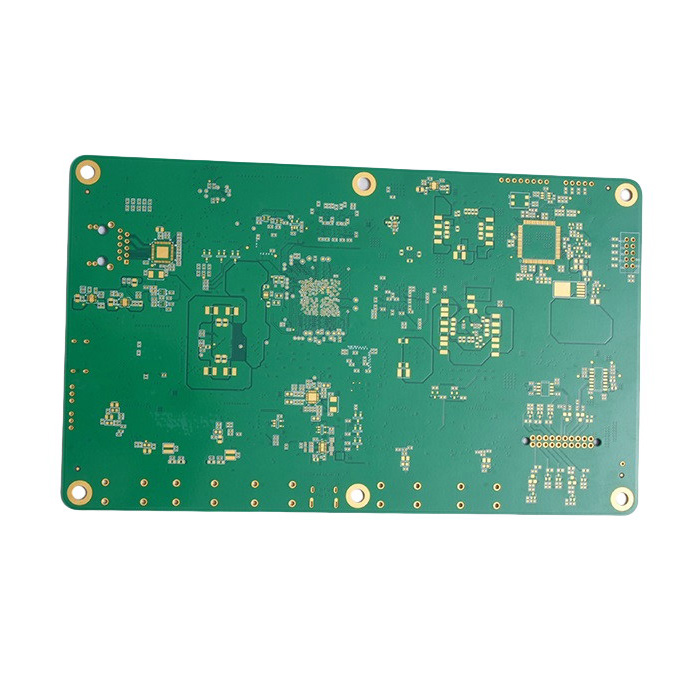
Layers: Typically 2 or 4 layers, depending on the complexity of the application.
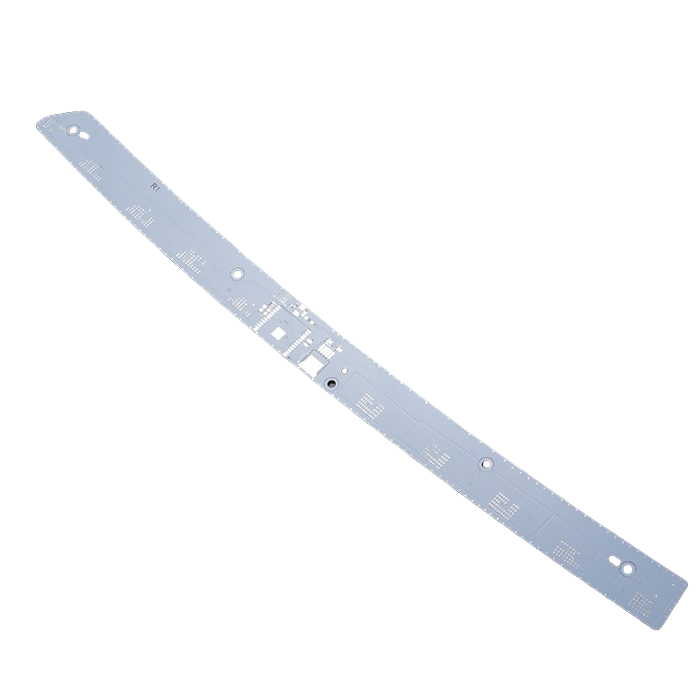
Materials: High-performance insulating materials such as FR-4 for electrical insulation and mechanical strength.
Size: Ranges from 50mm×50mm to 300mm×200mm.
Component Types: Integrated signal processing chips, MCU, communication interfaces (SPI, I²C), power management systems.
Surface Finish: Supports lead-free HASL, immersion gold.
Features
High Integration: Multiple functional modules integrated into a single PCB, reducing device size.
Multiple Interfaces: Supports various communication interfaces (SPI, I²C) to meet different connection needs.
Signal Integrity: Optimized routing and material selection to reduce signal interference, ensuring efficient and stable communication.
High Reliability: Optimized PCB design and strict quality control ensure stable operation in complex environments.
Compliance with Medical Standards: Meets international and domestic medical standards such as ISO, IEC, and FDA.
Advantages
High Performance and Reliability: Optimized PCB design and material selection ensure stable operation under high load.
Customization: Supports customized design and assembly based on customer requirements.
Signal Integrity: Optimized routing and material selection reduce signal interference, ensuring efficient device operation.
Cost-Effectiveness: Modular design and optimized manufacturing processes reduce production costs.
Human Body Compatibility: Designed to ensure no radiation emission and no reaction with the human body.
Applications
Diagnostic Equipment: Such as MRI and CT scanners, processing large amounts of data.
Monitoring Equipment: Such as heart rate monitors and blood glucose monitors, ensuring stable operation.
Therapeutic Devices: Such as pacemakers, infusion pumps, and ventilators, providing high reliability.
Medical Cosmetic Equipment: Such as laser skin treatment devices, ensuring safe operation.
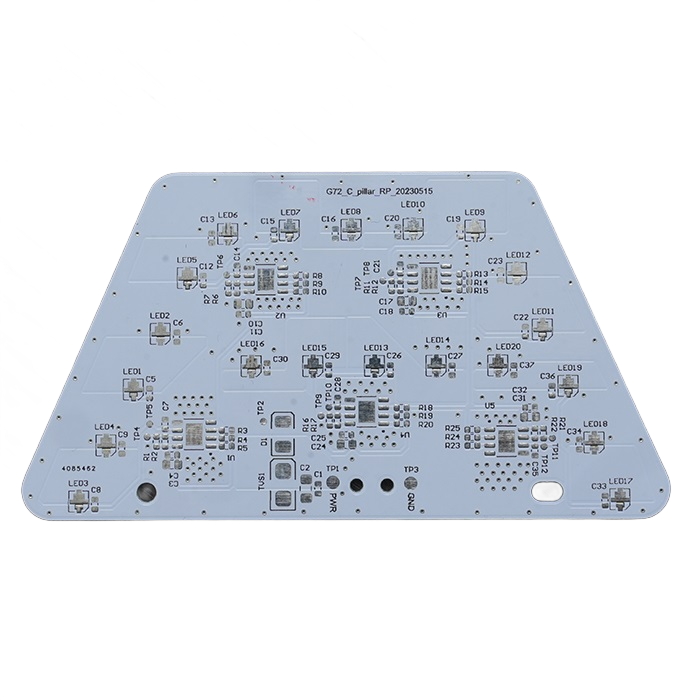
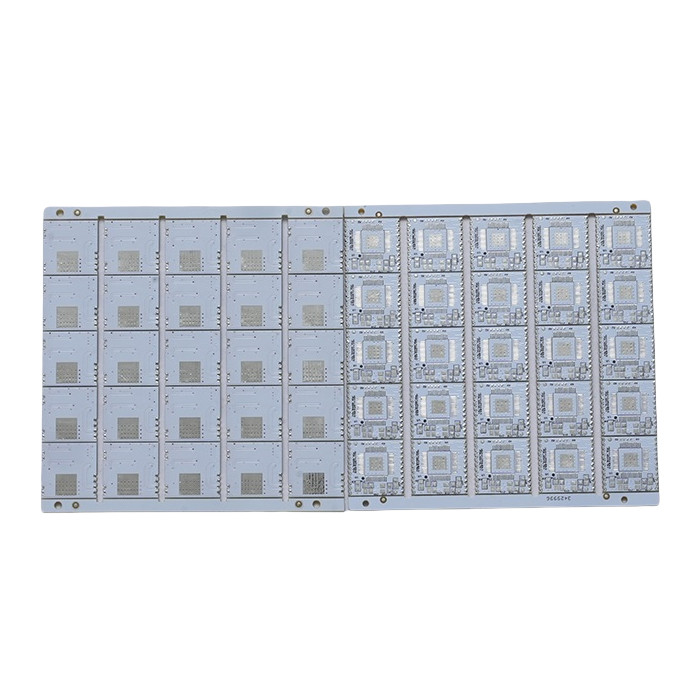
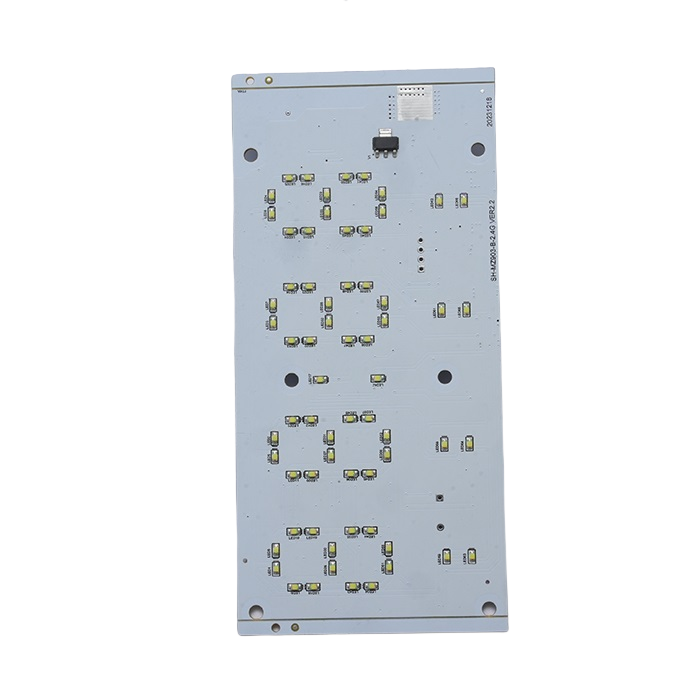
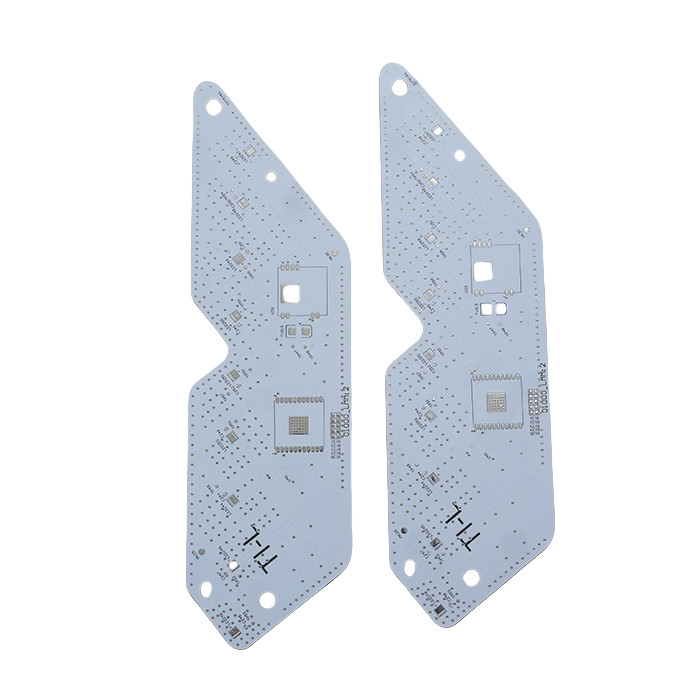
Medical device signal processor PCBA boards achieve high performance and functional diversity through high integration, multiple interface support, and optimized signal integrity. They support complex functional requirements and ensure device stability and cost-effectiveness through optimized materials and processes.