-
Welcome to Zhejiang Mingtehan Electronics Technology Co., Ltd.
13566043962

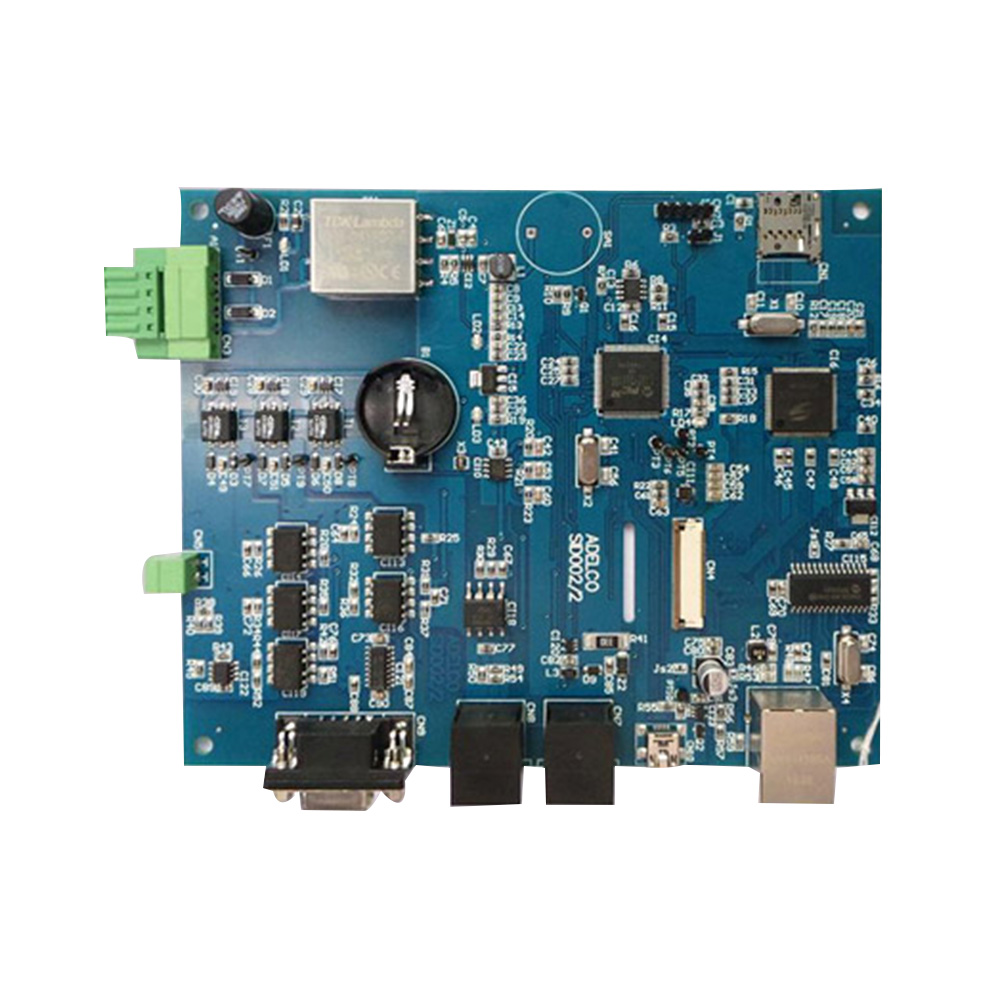
Basic Parameters
Transmission Rate: Supports from 1Gbps to 400Gbps and beyond.
Wavelength Range: Common wavelengths include 850nm (multimode), 1310nm, and 1550nm (single-mode).
Interface Types: Supports optical module interfaces such as SFP, SFP+, QSFP, QSFP28.
Transmission Distance: Multimode fiber can reach several hundred meters, single-mode fiber can reach tens to hundreds of kilometers.
Power Supply Voltage: Typically 3.3V, 5V, or 12V DC.
Operating Temperature: -40°C to 85°C, suitable for harsh environments.
Protocol Support: Supports Ethernet, Fiber Channel, OTN (Optical Transport Network), etc.
Features
High Bandwidth: Supports high-speed data transmission, meeting large-capacity communication needs.
Low Loss: Optical fiber transmission has low loss, suitable for long-distance communication.
Strong Anti-Interference: Immune to electromagnetic interference, ensuring stable signal transmission.
Modular Design: Facilitates installation, maintenance, and upgrades.
Advantages
High-Speed Transmission: Meets the demand for high bandwidth in the era of big data.
Long-Distance Communication: Suitable for metropolitan area networks (MAN), wide area networks (WAN), and other long-distance applications.
High Reliability: Industrial-grade design ensures long-term stable operation.
Flexible Expansion: Supports various optical modules and protocols, adapting to different application scenarios.
Application Scenarios
Data Centers: Used for high-speed interconnection between servers and storage devices.
Telecommunication Networks: Used for fiber optic transmission in backbone networks, MAN, and access networks.
Enterprise Networks: Used for high-speed network connections within enterprises.
Broadcasting and Television: Used for long-distance transmission of high-definition video signals.
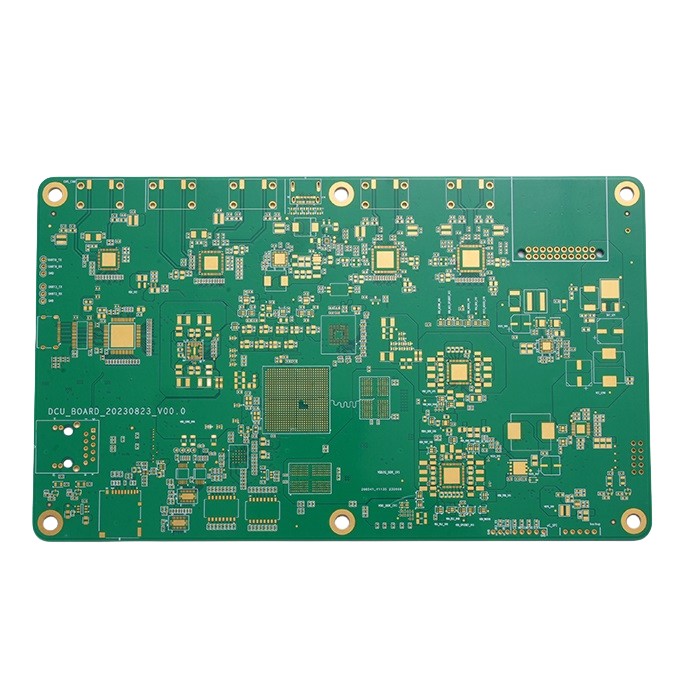
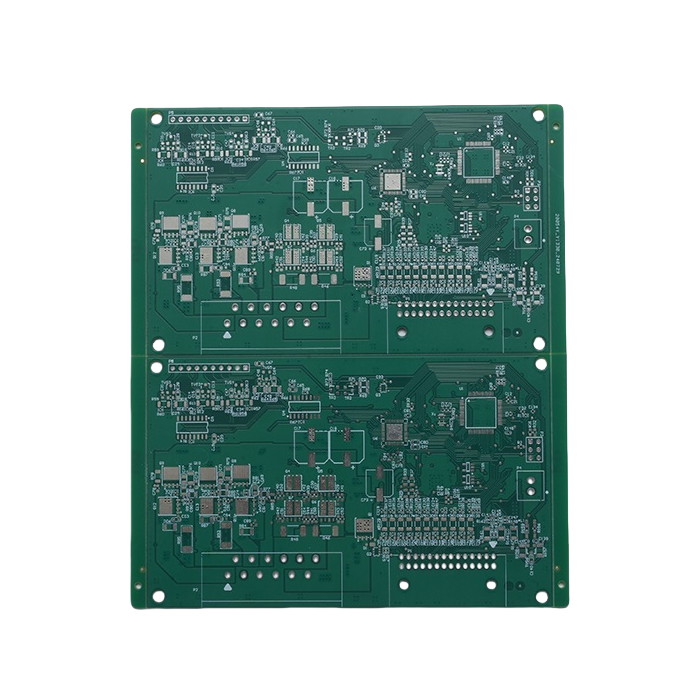
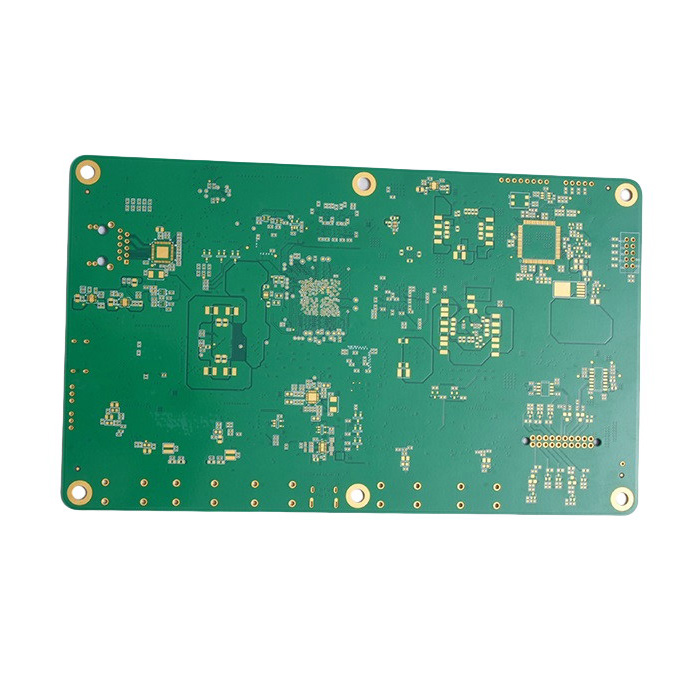
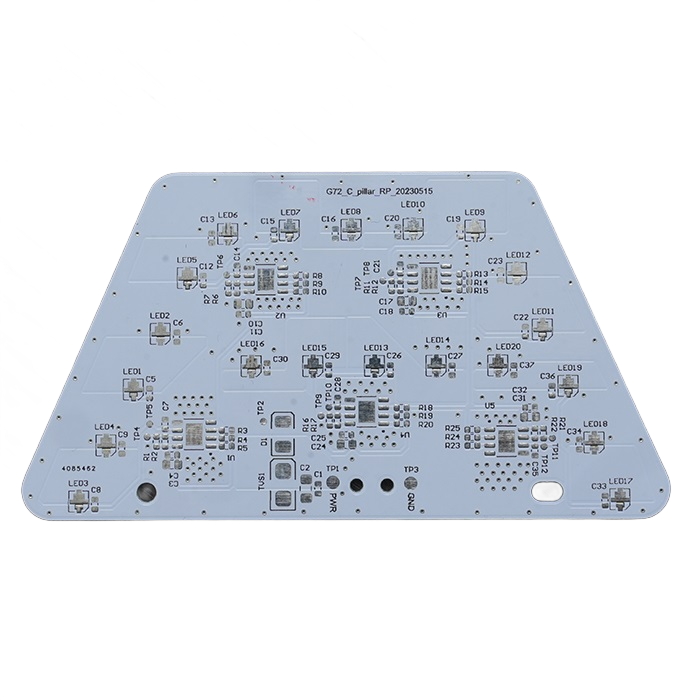
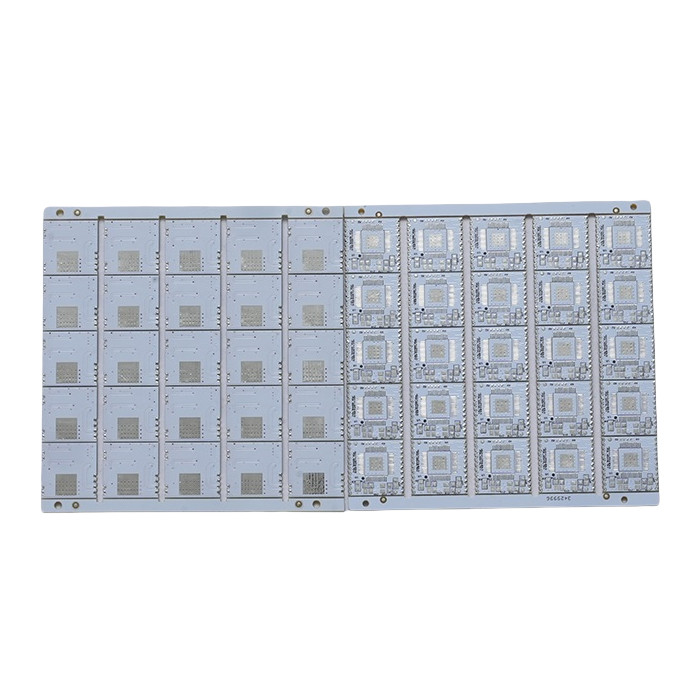
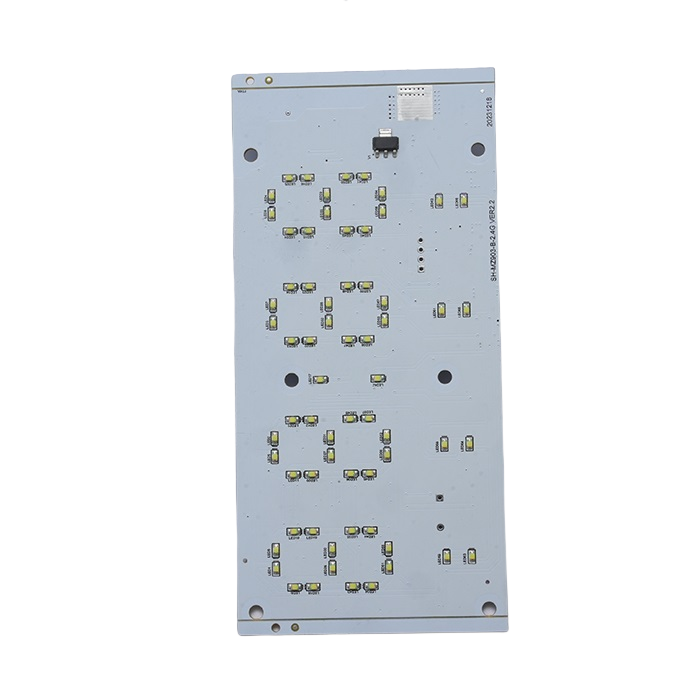
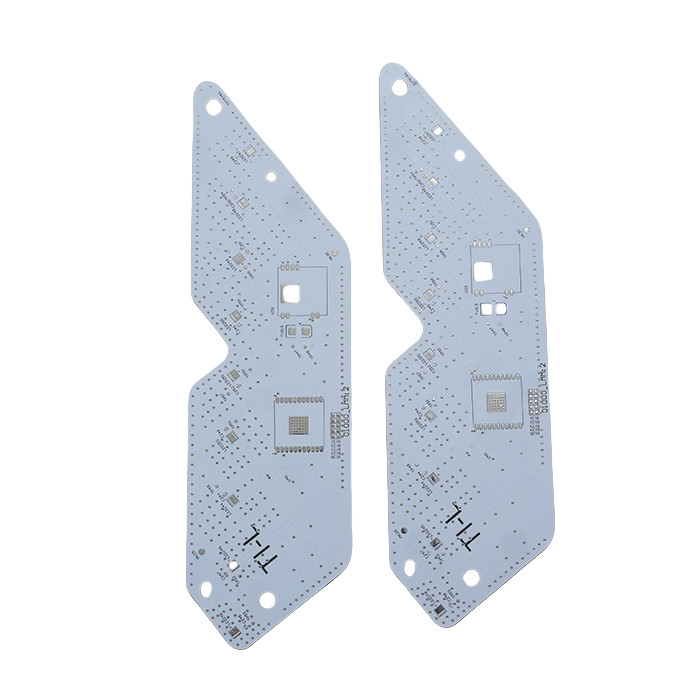
The fiber optic communication equipment PCBA board, with its high bandwidth, low loss, strong anti-interference capability, and modular design, is widely used in data centers, telecommunication networks, enterprise networks, and broadcasting/television. Its high-speed transmission and long-distance communication capabilities meet the demands for high bandwidth and stability in modern communication networks, while its high reliability and flexible expansion ensure long-term stable operation and functional scalability. It is a core component of fiber optic communication networks.