-
Welcome to Zhejiang Mingtehan Electronics Technology Co., Ltd.
13566043962

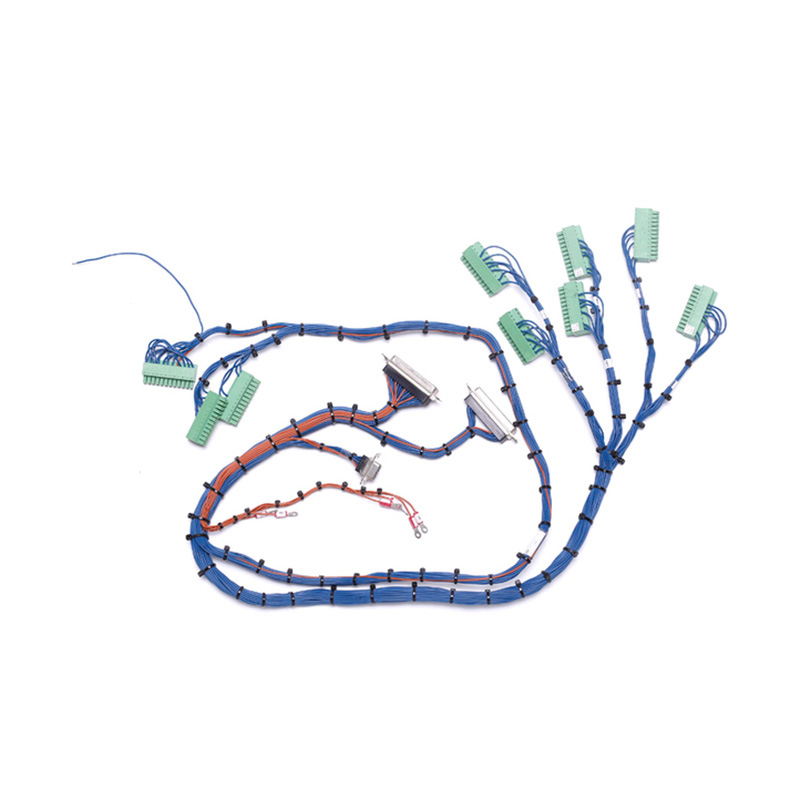
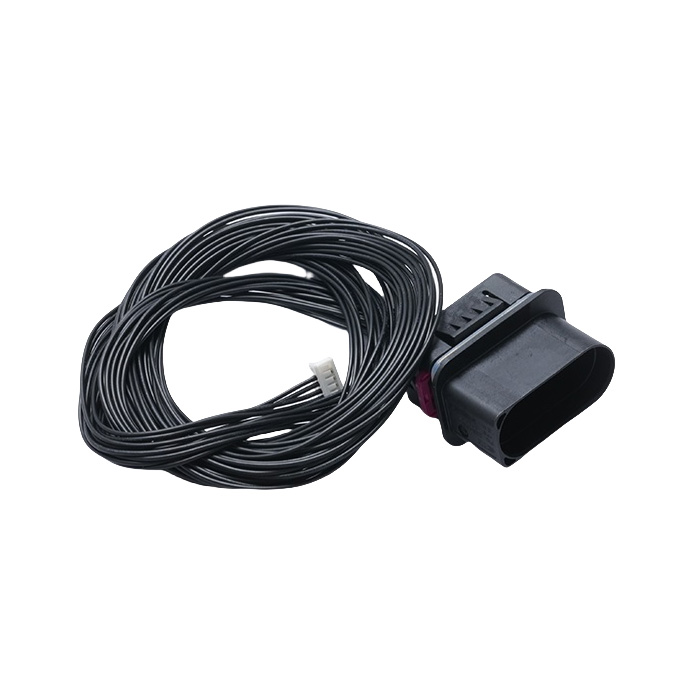
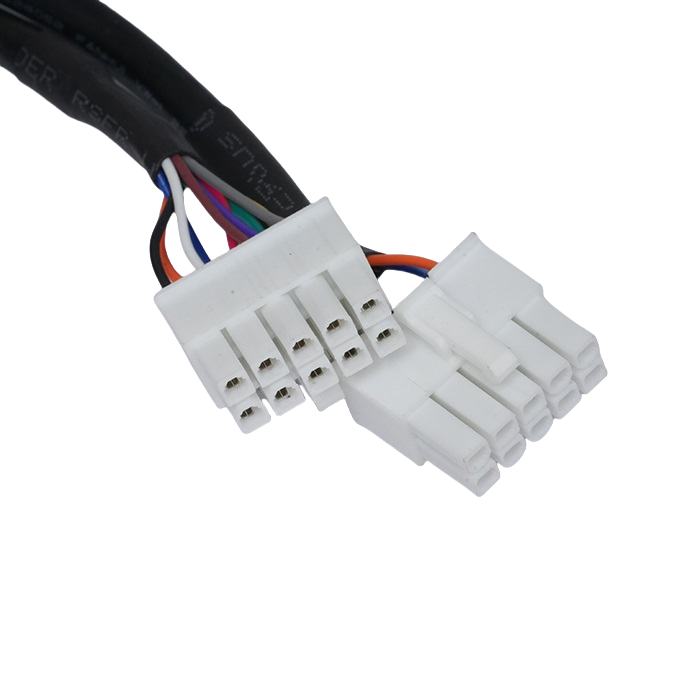
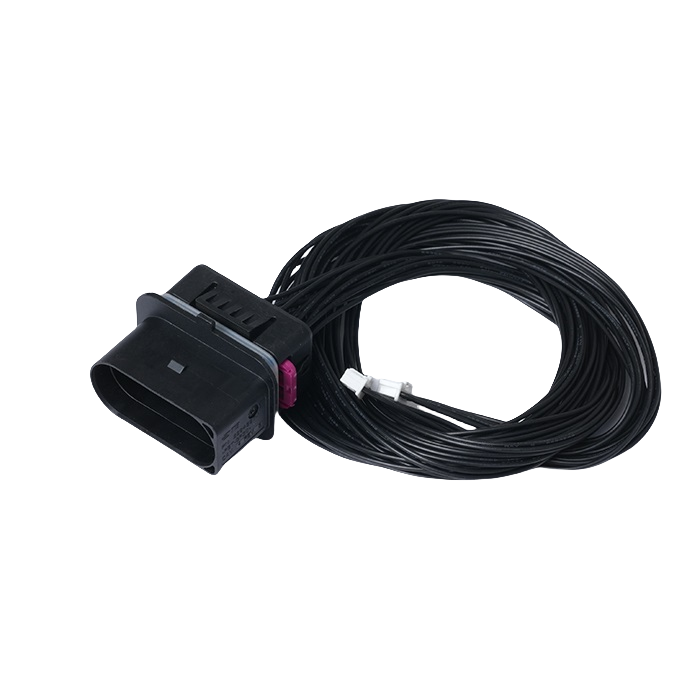
Basic Parameters
Wire Type: Specialized wires with high-temperature and radiation resistance, such as polyimide-insulated wires.
Insulation Material: High-temperature and chemically resistant materials like polyimide (PI).
Shielding Type: Multi-layer shielding to reduce electromagnetic interference and ensure signal integrity.
Connectors: High-strength, high-cycle-rate aerospace-grade connectors with various connection methods.
Environmental Adaptability: Resistant to extreme temperatures (-65°C to +200°C), high humidity, and vibration.
Features
High Reliability: Designed and manufactured to strict aerospace standards, ensuring stability in extreme conditions.
Lightweight Design: Uses lightweight materials to reduce harness weight and improve fuel efficiency.
Vibration and Impact Resistance: Capable of withstanding vibration and impact during flight, ensuring stable connections.
Protective Performance: Fire-resistant, corrosion-resistant, wear-resistant, and electromagnetic interference-resistant.
Ease of Maintenance: Modular design for quick replacement and repair.
Advantages
High Performance: Supports high-speed data transmission and high-power electrical transmission.
High Safety: Complies with aerospace safety standards to ensure flight safety.
Durability: Long-term stable operation with reduced maintenance costs.
Intelligent: Integrated sensors and diagnostic functions for fault prediction and remote monitoring.
Applications
Aircraft and Helicopters: Connects navigation, communication, instrumentation, and power systems.
Satellites and Spacecraft: Used for data transmission, power distribution, and environmental monitoring.
Flight Control Systems: Connects control panels and flight control systems.
Safety Systems: Supports fire detection, suppression, and emergency lighting systems.
Aerospace wire harnesses ensure the stable operation of aircraft and spacecraft electrical systems through high reliability, lightweight design, and excellent environmental adaptability. They support a variety of complex application scenarios and meet modern aerospace needs for efficiency, reliability, and safety through optimized design and material selection.